Freedom FilesFreedom Files
← All destinations
Latin AmericaResidency

Ecuador

A dollar-denominated economy with one of the lowest investor thresholds in Latin America, US East Coast time-zone alignment, and a residency clock that converts to citizenship in five years.

Population
18 million
Language
Spanish (English in expat hubs)
Currency
US Dollar (dollarised since 2000)
Time zone
ECT (UTC−5, no DST)
Capital
Quito
GDP per capita
~US$7K
  1. The US dollar is the national currency

    Ecuador formally adopted the US dollar in 2000 and has run on it ever since. There is no peso, no exchange rate risk, no devaluation cycle. Your dollars earn, spend, and bank in dollars from day one. Few countries in the world offer this level of currency simplicity for an American mover.


  2. One of the lowest investor thresholds in Latin America

    Ecuador's investor visa qualifies at roughly $48K through three flexible routes: a Dominican-style bank certificate of deposit, a qualifying property purchase, or a Ecuadorian business investment. The threshold is materially below the regional average and makes Ecuador one of the most accessible structured residency programs in the hemisphere.

  3. Five years to citizenship

    Two years of temporary residency convertible to permanent at year three, then three additional years of permanent residency unlock the citizenship petition. The full timeline runs five years from initial grant. A basic Spanish-language and Ecuadorian-civics exam is part of the application.

  4. Same time zone as the US East Coast

    Ecuador sits on UTC−5 year round, no daylight saving. Same as US Eastern Standard Time in winter, one hour behind in summer. Remote work, US business operations, and family stay on a clean schedule.

  5. A geography most countries cannot match

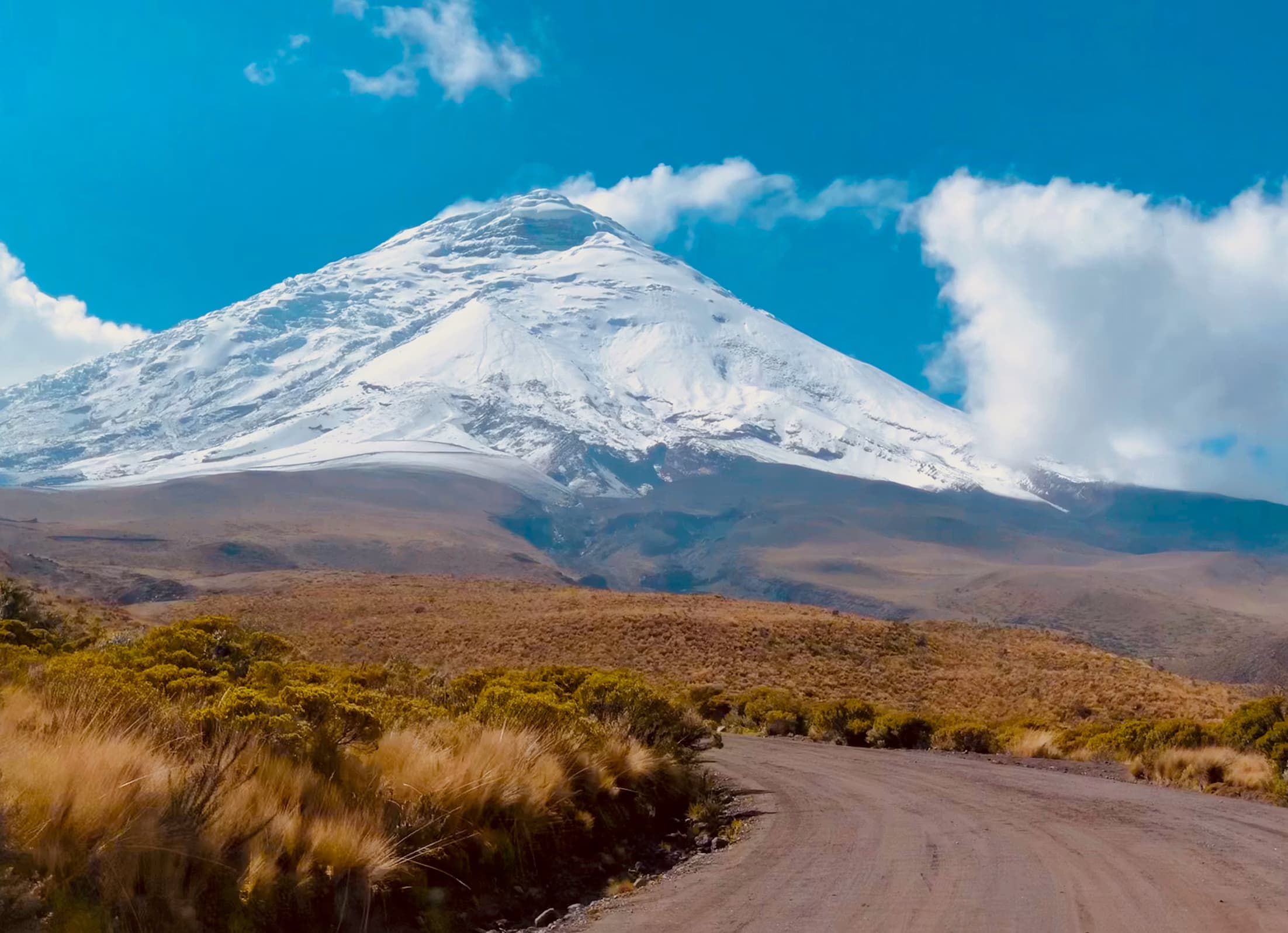
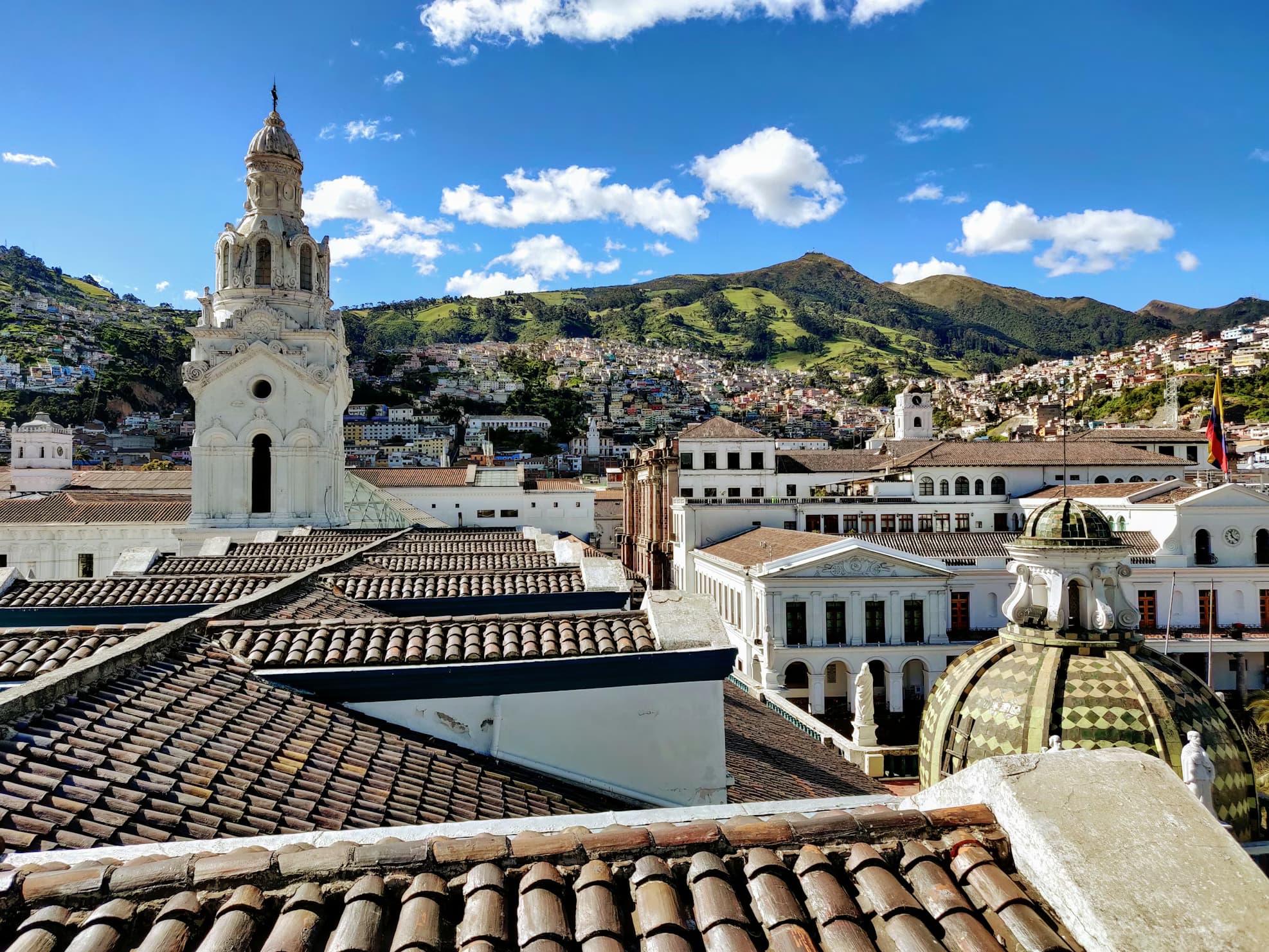
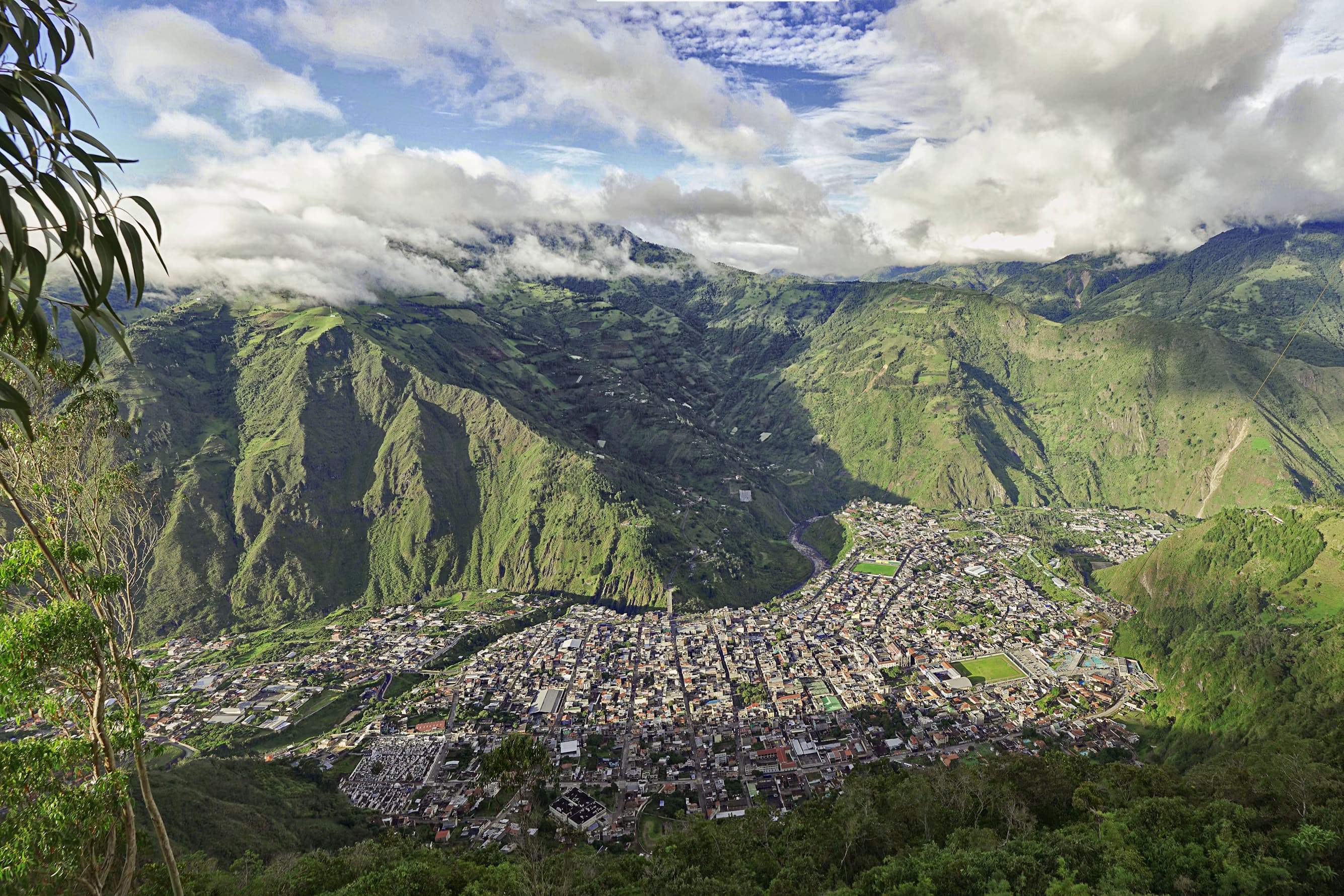
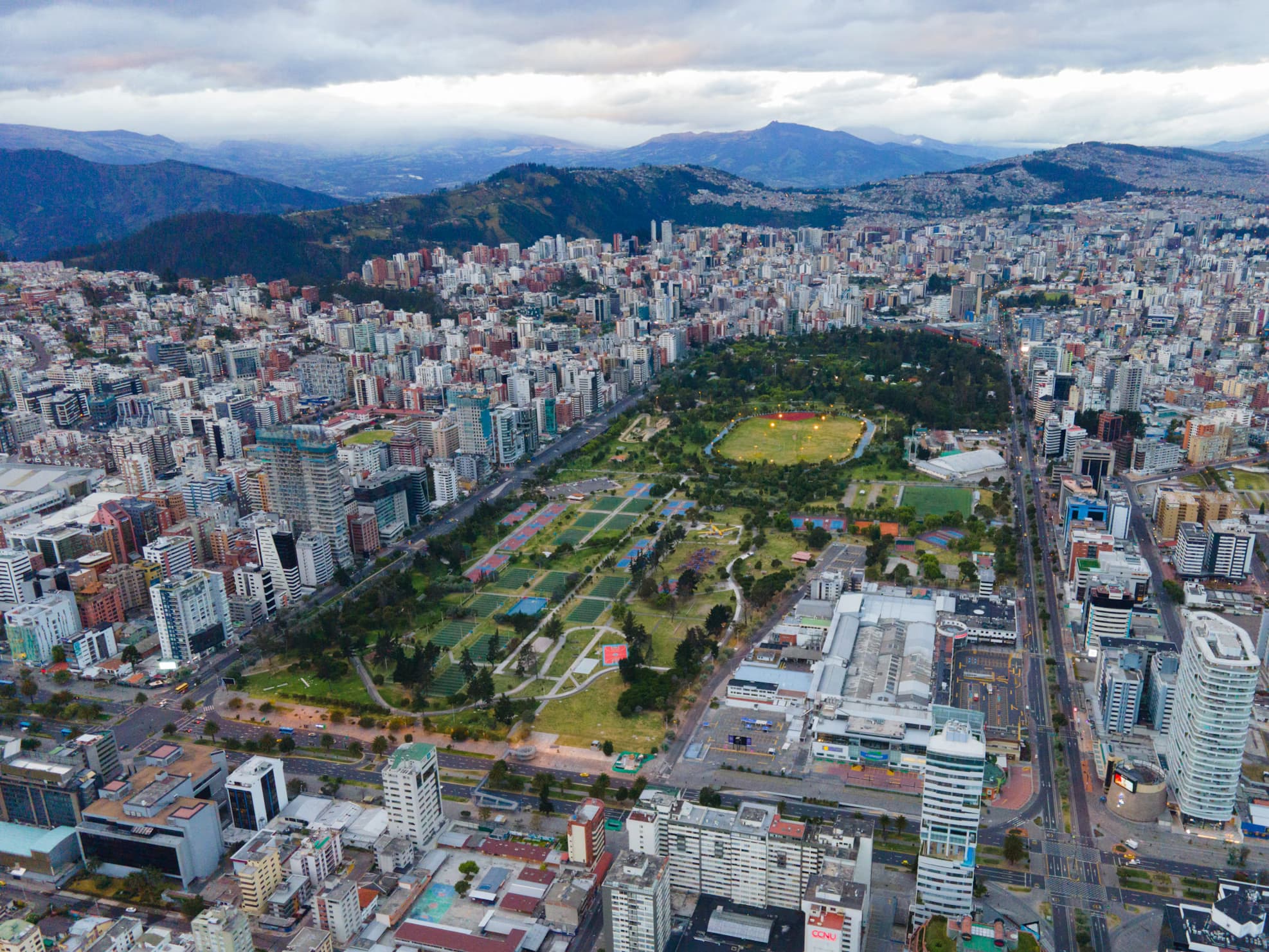
    Andes mountains, Pacific coast, Amazon rainforest, and the Galapagos archipelago all within one country. Quito sits at 9,300 feet for mild year-round weather; Cuenca delivers a colonial-Spanish character and a dense American expat community; Salinas and Manta offer Pacific coast retirement options. The microclimate menu is unusually wide.

  6. An American expat community already established

    Cuenca has been a top-ranked American retirement destination for over a decade. Quito's Cumbayá and La Floresta neighborhoods host substantial American communities, as do Salinas, Manta, and Vilcabamba. The international schools, bilingual healthcare networks, and English-speaking attorneys already exist.

Programs

One route into Ecuador

Each route below is a live client engagement we have advised. Figures and timelines reflect the current state of each program; we update them whenever policy moves.

  • Investor Visa

    Residency

    Two-year temporary residency through one of three flexible $48K investment routes: a qualifying property purchase, an Ecuadorian bank certificate of deposit, or an Ecuadorian business investment. Permanent residency at year three; citizenship eligibility after a further three years of permanent residency, for a five-year total path.

    Financial requirement
    $48K in property, bank deposit, or business
    Timeline
    3 to 6 months
  • Ecuador editorial photograph
  • Ecuador editorial photograph

Several routes, several ideal profiles. Which is right for you? The Freedom Consult is where we figure out your ideal path forward – and whether Ecuador is even the right country.

A taste of Ecuador

Ecuador editorial photograph 1
Ecuador editorial photograph 2
Ecuador editorial photograph 3
Ecuador editorial photograph 4Ecuador editorial photograph 5

How does the five-year clock to citizenship actually work?

Initial residency is a two-year temporary status. At year two, the visa converts to permanent residency on application. Citizenship by naturalization can then be petitioned after three additional years of permanent residency, for a total of five years from initial grant. A basic Spanish-language test and a basic Ecuadorian-civics exam are part of the naturalization application.

Is the bank deposit route safe?

The certificate of deposit must be held with a regulated Ecuadorian bank or financial co-operative, locked for the duration of the temporary-residency phase. Ecuadorian deposit insurance covers up to $32K per depositor per institution, with the remainder backed by the bank's balance sheet. We brief on bank selection during the consult; we do not place engagements with under-capitalised institutions.

Do I have to learn Spanish?

Daily life in Cuenca's central districts, Quito's Cumbayá and La Floresta, and the major coastal expat towns runs comfortably in English at most service providers. Outside those zones, Spanish is essential. The naturalization application requires a Spanish-language assessment, which most clients build through immersion plus formal tutoring during the five-year residency window.

What happens to my US taxes once I move?

The United States taxes citizens on worldwide income regardless of residency. Ecuador taxes residents on worldwide income but offers foreign-tax-credit overlap with US obligations and excludes most pension income for retirees. Because Ecuador is dollar-denominated, the planning is materially simpler than peso-based regional alternatives.

Can my family come with me?

Yes. Spouses or registered partners, dependent children, and dependent parents qualify under a single application. Each family member receives proportionate residency rights and the same five-year clock to citizenship.

Is it safe to live in Ecuador?

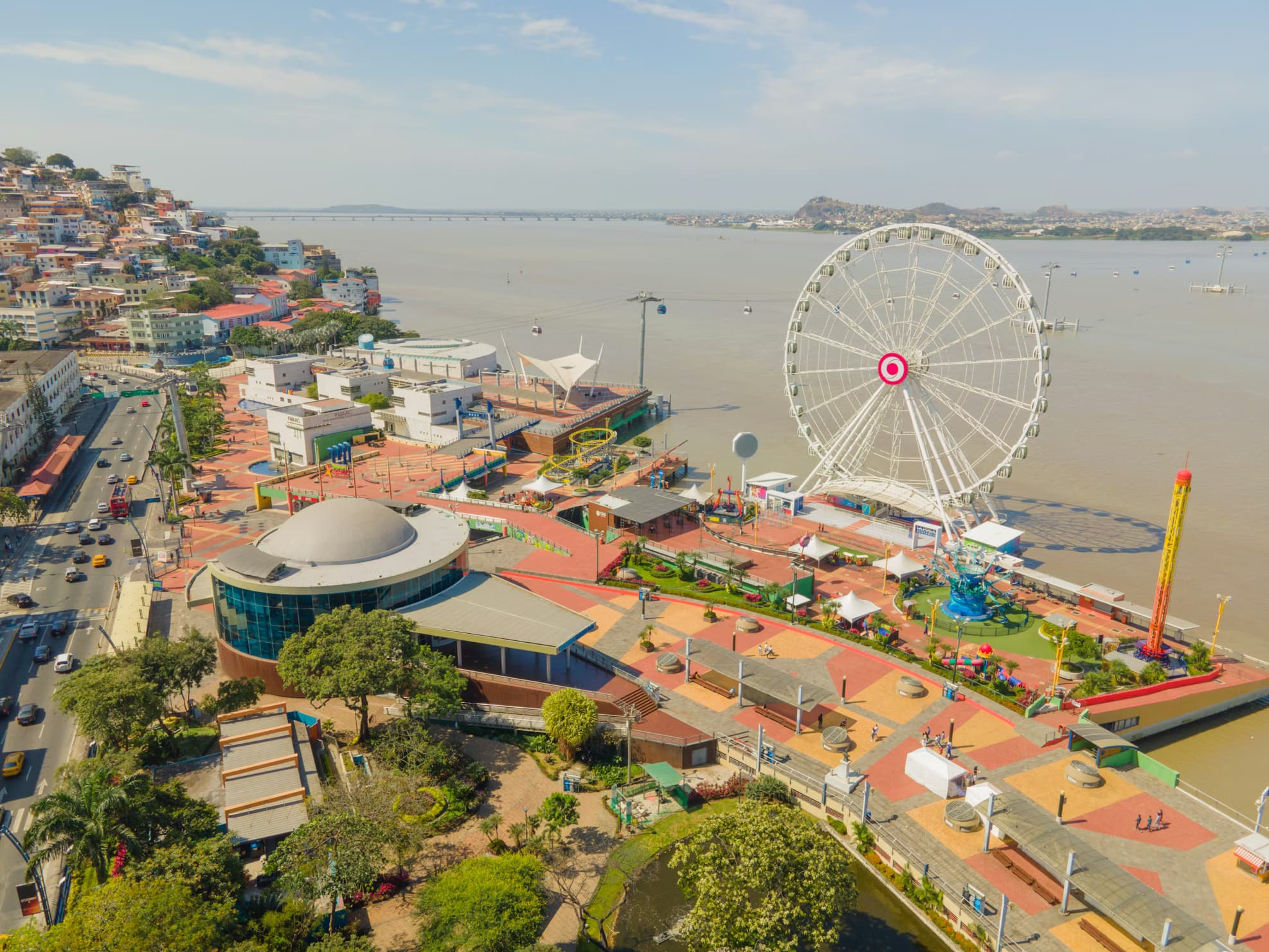
Cuenca, the Cumbayá and La Floresta neighborhoods of Quito, and the established coastal expat towns are statistically safer than many US small cities. Other parts of the country require situational awareness, particularly Guayaquil and certain border regions. We brief on geography during onboarding and steer engagements toward the established expat zones.

Will I have to give up my US citizenship?

No. The United States and Ecuador both permit dual citizenship. You can hold both passports indefinitely.

How life compares

Eight factors, against the US baseline

The dimensions that decide whether a place is workable once the visa lands.

English

Strong in expat hubs

Cuenca, Quito's Cumbayá and La Floresta, Salinas, and Vilcabamba run in English at most professional and service contexts. Outside those zones, Spanish becomes essential.

Cost of living

Dramatically lower than US

Ecuador runs 60-70% below US coastal-city benchmarks. A comfortable expat-zone life for a couple costs $1,800 to $2,800 a month including premium housing, healthcare, and household help.

Taxes

Worldwide for residents, but light

Progressive resident rates topping at 37% with US foreign-tax-credit overlap. Most pension income is excluded from Ecuadorian tax for retirees. US worldwide-income filing continues regardless.

Quality of life

Wide microclimate menu

Andes, coast, Amazon, and Galapagos within one country. Pick the elevation and climate that fits, then build the life. Cuenca consistently ranks among the world's top retirement destinations on quality-of-life indices.

Safety

Neighbourhood-specific

Established expat zones are statistically safer than many US small cities. Guayaquil and certain border regions require care. We steer engagements toward the established American hubs during onboarding.

Travel connectivity

Strong to the US

Quito and Guayaquil host daily direct service to Miami, New York, Houston, Atlanta, and Madrid. Four hours from Miami, six from New York. Limited direct service to other European cities; most routes connect via Madrid or Bogotá.

Infrastructure

Strong in cities, basic outside

Quito, Cuenca, and Guayaquil deliver modern utilities, internet, and roads. Rural infrastructure varies. The dollarisation of the economy means most expat-grade services are priced in USD with consistent quality.

Healthcare

High quality, very low cost

Private healthcare in Quito and Cuenca is high quality and inexpensive by US standards. Comprehensive private insurance runs $80 to $200 per month per adult. Most expats add US or Miami evacuation coverage for the most complex procedures.

The Ecuador briefing

The facts, programs, and comparison

A four-page PDF covering everything on this page plus the comparison framework we use internally. Delivered to your inbox, and the next briefing every week.

No spam ever! Unsubscribe in one click.

Get your custom Plan B Blueprint

Most people spend 100+ hours researching residency and citizenship options before they realize they were looking at the wrong programs. We compress that into 10 questions, 90 seconds, and a single report.