Freedom FilesFreedom Files
← All destinations
AsiaResidency

Thailand

A 5-to-20-year residency through Thailand Privilege starting at $20K, or a 10-year Long-Term Resident visa through capital deposit, in one of Asia's most established expat destinations.

Population
70 million
Language
Thai (English in business and tourism)
Currency
Thai Baht (THB)
Time zone
ICT (UTC+7, no DST)
Capital
Bangkok
GDP per capita
~US$7K
  1. Two structured programs covering two profiles

    Thailand Privilege delivers tiered membership-style residency for five to twenty years through a program fee starting at $20K. The Long-Term Resident visa delivers a ten-year residency through a $100K bank deposit and qualifying activity. We map applicants to the route that fits the financial picture and the intended duration.
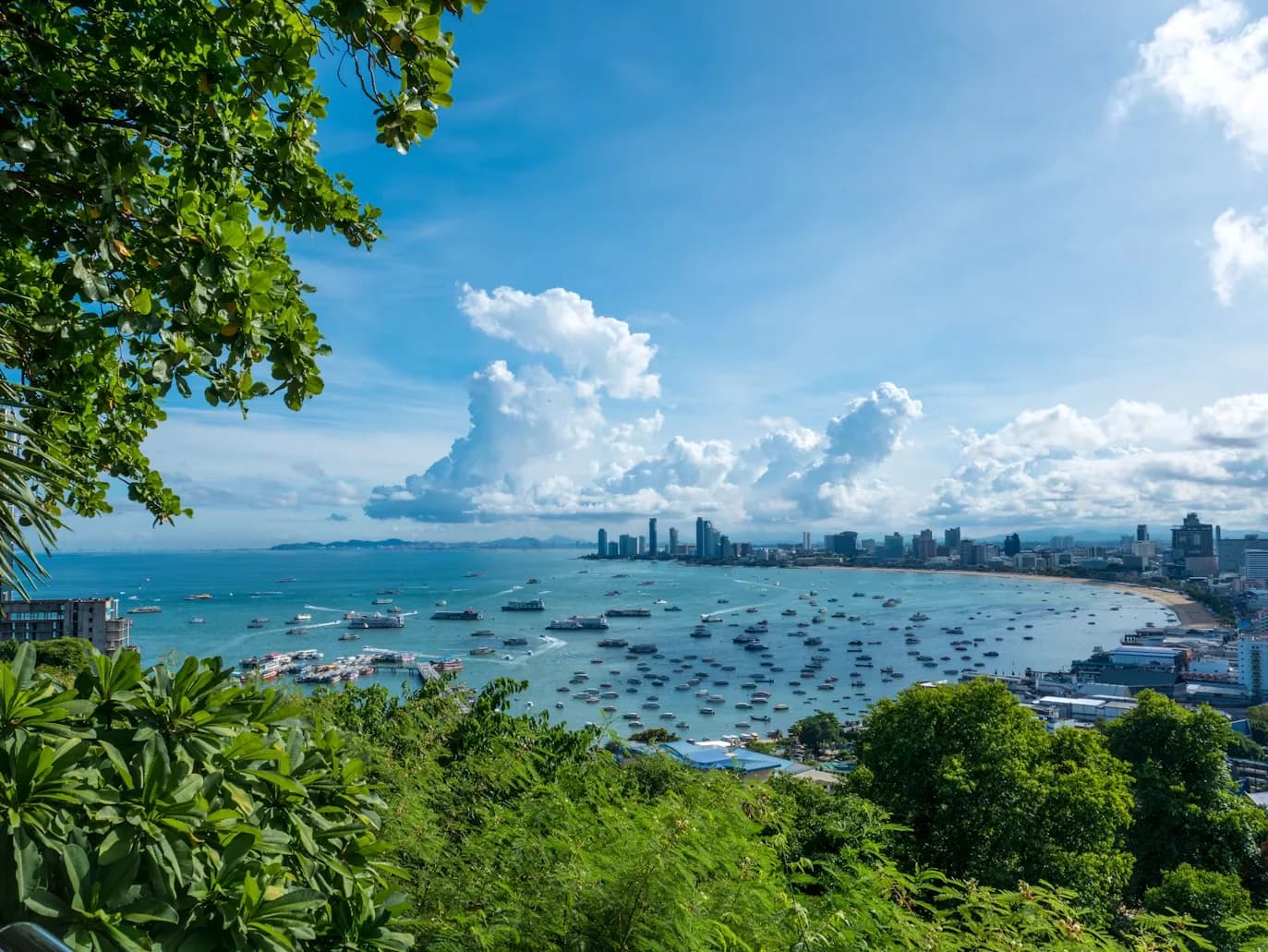

  2. Cost of living that rewards the dollar

    Bangkok runs 50-60% below US coastal-city benchmarks, and Chiang Mai, Phuket, and Koh Samui run substantially lower still. A premium apartment in Sukhumvit or Sathorn runs $1,200 to $2,500 a month. Healthcare, dining, household help, and private schooling are all materially cheaper than US equivalents.

  3. Lifestyle that consistently overdelivers

    Thailand is the most-visited country in Southeast Asia for reasons that scale to long-stay clients: food culture, climate, infrastructure quality in the major hubs, and a genuine welcome to long-term foreign residents that few other Asian destinations match.

  4. An established American community

    Bangkok (Sukhumvit, Sathorn, Thonglor), Chiang Mai, Phuket, and Koh Samui each host substantial American and Western expat communities. International schools, English-speaking healthcare, bilingual legal services, and visa-savvy attorney networks are all well established.

  5. World-class medical infrastructure

    Bangkok's Bumrungrad and Samitivej hospitals are international medical-tourism destinations. Routine and complex procedures run at a fraction of US private-system costs, with outcomes routinely on par with major US hospitals. Comprehensive private insurance runs $200 to $400 per month per adult.

  6. Asia's connectivity hub

    Bangkok's Suvarnabhumi International is one of Asia's largest airports, with daily direct service across Asia, the Middle East, Europe, and select US cities. For families using Thailand as a regional base, the connectivity to Singapore, Tokyo, Hong Kong, Dubai, and Sydney is excellent.

Programs

Two routes into Thailand

Each route below is a live client engagement we have advised. Figures and timelines reflect the current state of each program; we update them whenever policy moves.

  • Thailand Privilege

    Residency

    Tiered membership-style residency for stays of five to twenty years, starting at $20K for the entry Gold tier and scaling up through Platinum, Diamond, and Reserve. Includes airport concierge, immigration fast-track, and government-relations support. Recently rebranded from the prior Thailand Elite name.

    Financial requirement
    $20K+ donation (tiered)
    Timeline
    2 to 3 months
  • LTR Visa

    Residency

    Ten-year multi-entry residency through a qualifying $100K Thai bank deposit and additional eligibility criteria depending on category (wealthy global citizens, wealthy pensioners, work-from-Thailand professionals, or high-skill professionals). 17% personal income tax cap for select categories. Family inclusion across spouse and dependents.

    Financial requirement
    $100K bank deposit
    Timeline
    1 to 3 months
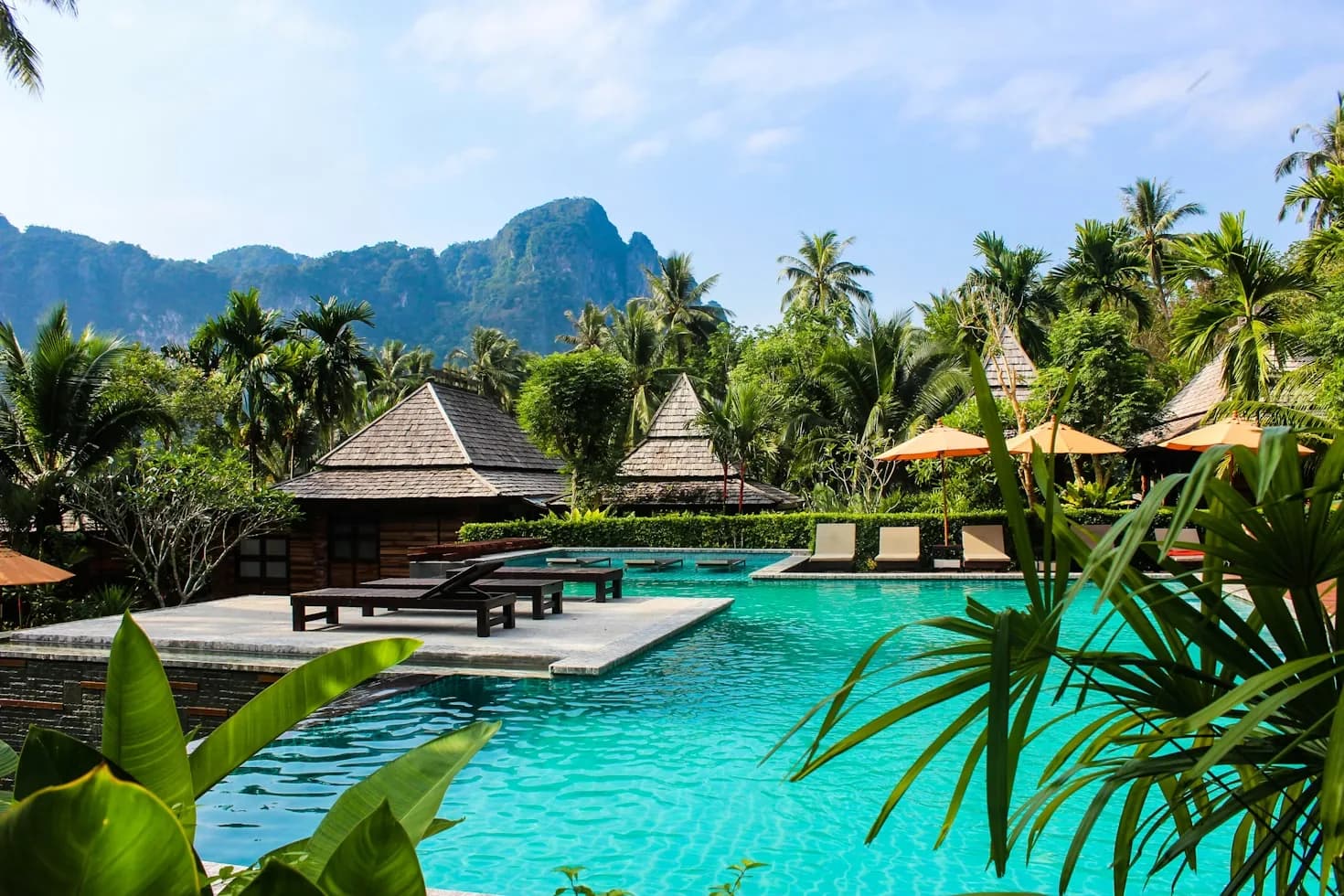
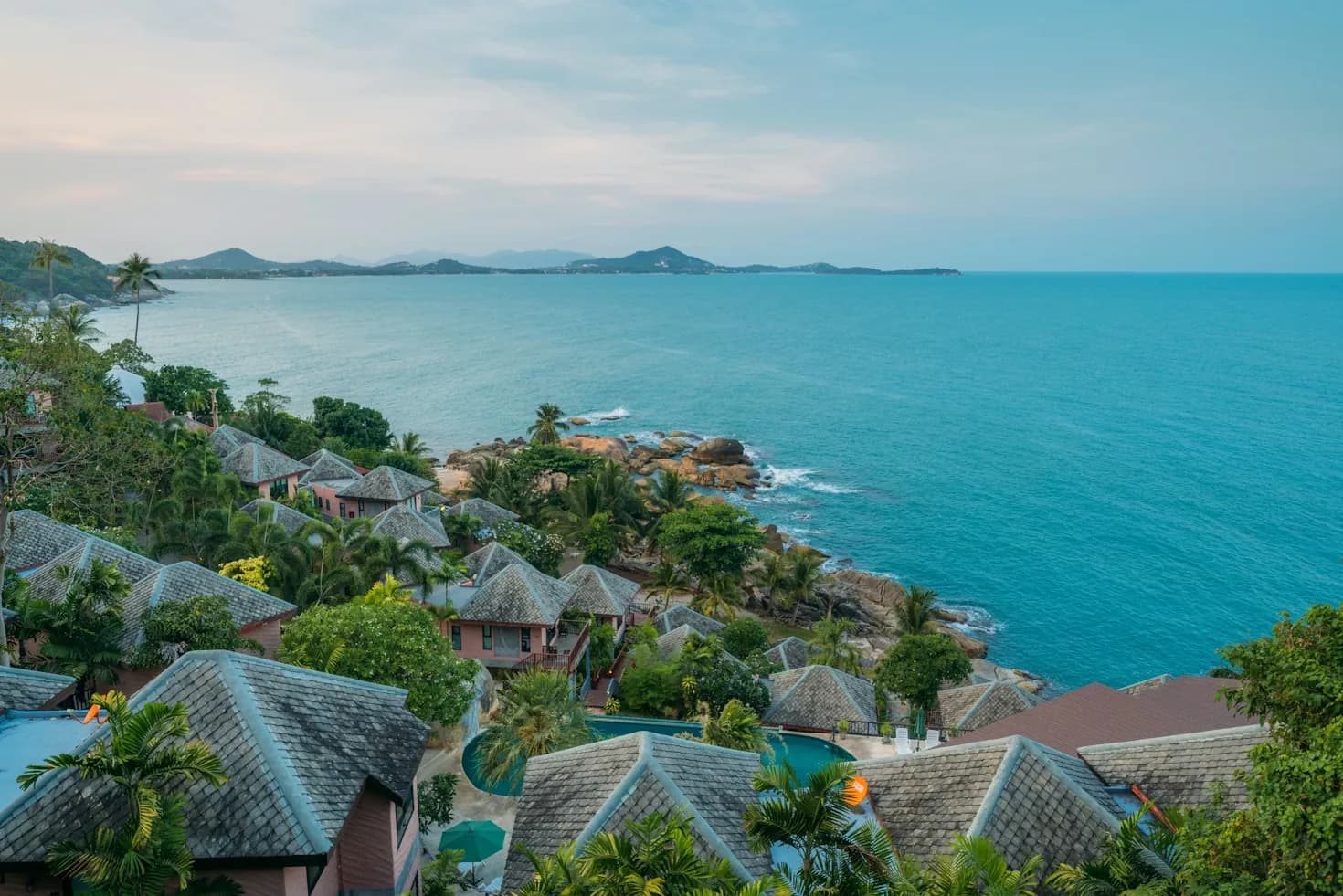
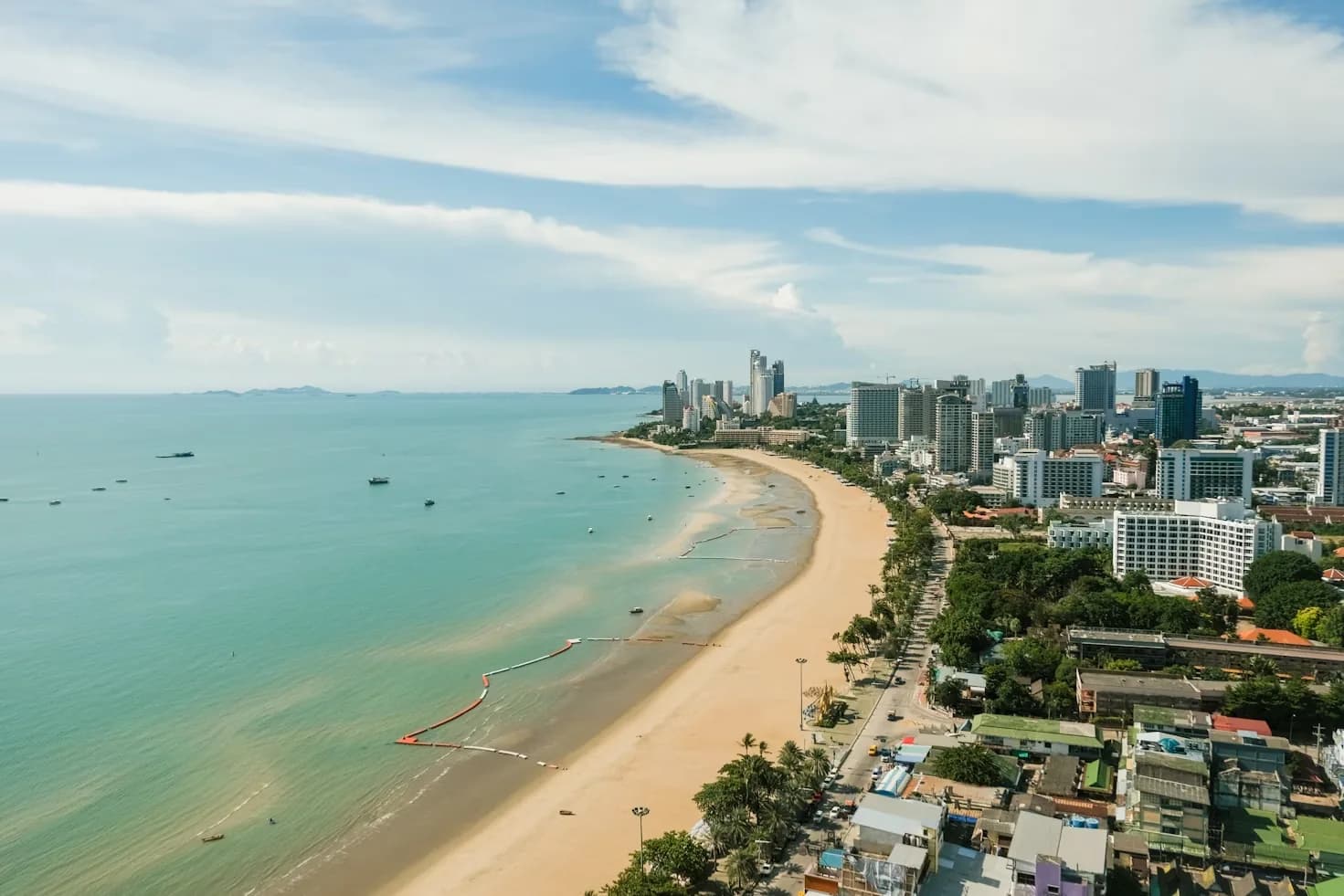
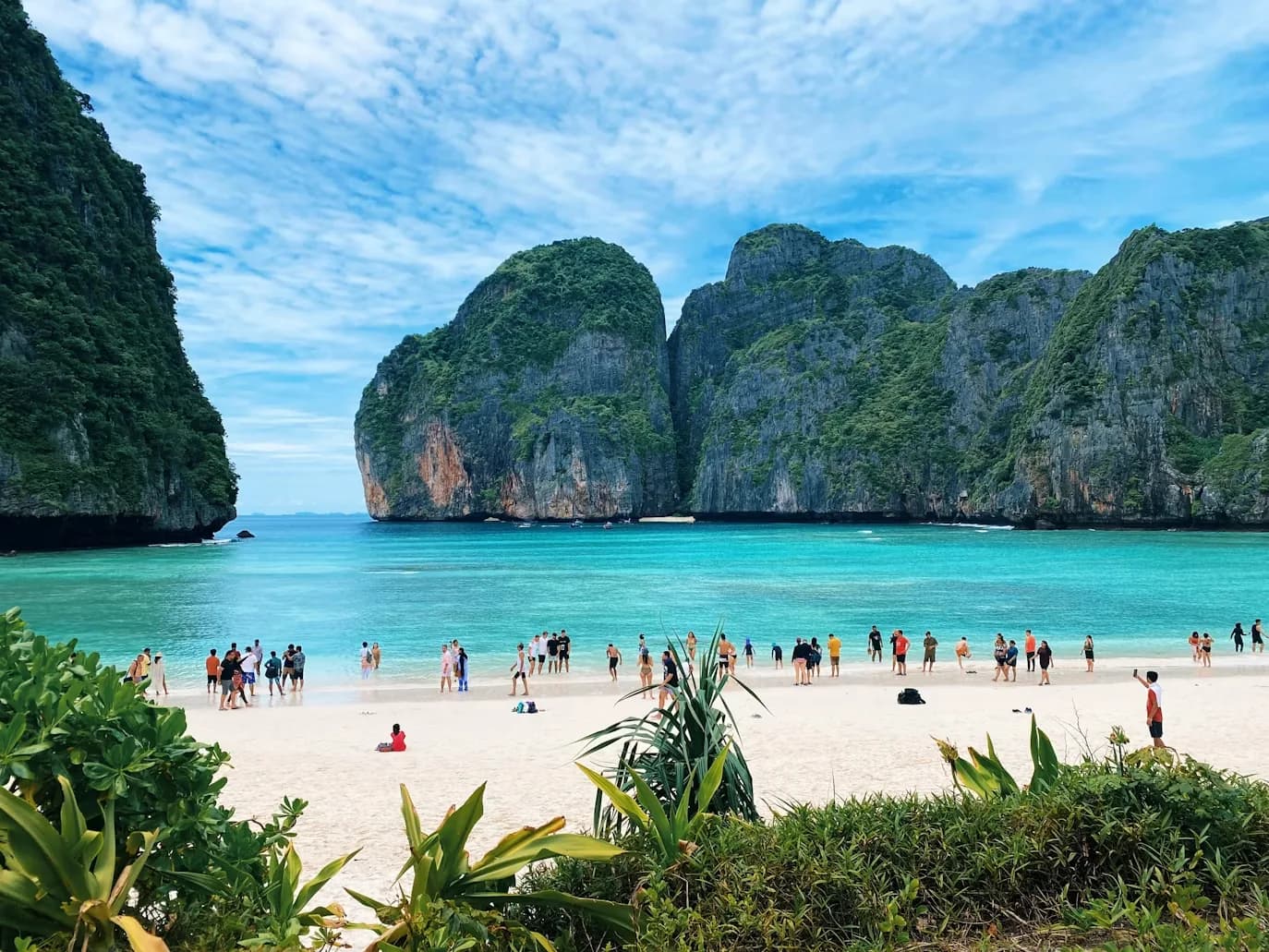
  • Thailand editorial photograph

Several routes, several ideal profiles. Which is right for you? The Freedom Consult is where we figure out your ideal path forward – and whether Thailand is even the right country.

A taste of Thailand

Thailand editorial photograph 1
Thailand editorial photograph 2
Thailand editorial photograph 3
Thailand editorial photograph 5Thailand editorial photograph 6Thailand editorial photograph 7

Which of the two programs fits me?

Thailand Privilege is the cleanest route for clients who want a long stay with no business or activity requirements. The five-year Gold tier at $20K and the ten-year Platinum tier at roughly $44K are the most popular tiers. The LTR visa is the better fit for clients who can commit $100K to a Thai bank deposit and qualify under one of the four LTR categories (wealthy global citizens, wealthy pensioners, work-from-Thailand professionals, or high-skill professionals); it delivers a ten-year visa and an attractive 17% tax cap for select categories. We map the right route during the consult.

Does the Privilege visa lead to Thai citizenship?

No. Thailand Privilege is a long-stay membership-style residency, not a path to permanent residency or naturalization. Thai citizenship is genuinely difficult to acquire, requires five years of legal residency under specific work-based categories, demonstrated Thai language proficiency, and is rarely granted to passive-investment applicants. Most clients treat Thailand as a long-term residency option rather than a citizenship pathway.

Do I have to learn Thai?

Daily life in Bangkok's Sukhumvit and Sathorn districts, Chiang Mai's Nimman area, Phuket's Patong and Rawai, and Koh Samui's main expat zones runs comfortably in English. Outside those zones, basic Thai helps materially. There is no language requirement for either the Privilege or LTR visas.

What is Thailand's tax position?

Thailand has shifted in 2024 toward taxing residents on worldwide income when remitted to Thailand. Foreign-source income kept outside Thailand is generally not taxed. The LTR visa offers a 17% personal income tax cap on Thai-source income for select categories. US worldwide-income filing continues regardless; we coordinate with US-licensed counsel to plan the position properly.

Can my family come with me?

Yes. Both programs include family inclusion provisions. Privilege offers per-member tier pricing for additional adults; LTR includes spouse and up to four dependent children under 20 within the principal applicant's qualification. We brief on the family-fee structure during the engagement.

What about dual citizenship?

Thailand technically restricts dual citizenship for naturalizing citizens but does not enforce against natural-born US citizens. The practical answer is moot for most clients: Thailand is used for long-term residency, not naturalization. If naturalization ever becomes the goal, we coordinate with US and Thai counsel on the technical position.

Is the Privilege program at risk of being shut down?

The program rebranded from Thailand Elite to Thailand Privilege in 2023 and restructured its tier pricing and benefits at that time. The current structure is stable, government-administered, and politically supported. We track every public consultation and brief active engagements on any material movement.

How life compares

Eight factors, against the US baseline

The dimensions that decide whether a place is workable once the visa lands.

English

Strong in expat zones and business

Bangkok's Sukhumvit and Sathorn districts, Chiang Mai's Nimman, Phuket's expat areas, and Koh Samui's main hubs run in English at most professional and service contexts. International schools and major hospitals operate bilingually. Outside those zones, basic Thai becomes essential.

Cost of living

Dramatically lower for USD earners

Thailand runs 50-65% below US coastal-city benchmarks. A premium expat-zone life for a couple costs $2,500 to $4,500 a month in Bangkok, materially less in Chiang Mai.

Taxes

Worldwide when remitted

Thailand taxes residents on worldwide income remitted to Thailand. Foreign-source income kept outside is generally untaxed. LTR offers a 17% cap on Thai-source income for select categories. US filing continues regardless.

Quality of life

Genuinely high

Climate, food culture, infrastructure in major hubs, and a deep welcome to long-term foreign residents. Most clients adapt within months and renew their visas without considering alternatives.

Safety

Among Asia's safer

Petty theft in tourist zones is the standard concern; violent crime is rare. Established expat neighborhoods are statistically safer than most US small cities. We brief on geography during onboarding.

Travel connectivity

Asia's hub

Bangkok Suvarnabhumi delivers daily direct service across Asia, the Middle East, Europe, and major US cities. Chiang Mai International handles regional connections; Phuket International serves resort traffic.

Infrastructure

Modern in cities, basic elsewhere

Bangkok delivers BTS/MRT transit, reliable utilities, and fast residential internet. Chiang Mai and the major islands operate at a smaller scale. Rural infrastructure varies.

Healthcare

World-class private at a fraction of US cost

Bumrungrad, Samitivej, and Bangkok Hospital are international medical-tourism destinations. Private insurance runs $200 to $400 per month per adult; outcomes consistently match major US private hospitals.

The Thailand briefing

The facts, programs, and comparison

A four-page PDF covering everything on this page plus the comparison framework we use internally. Delivered to your inbox, and the next briefing every week.

No spam ever! Unsubscribe in one click.

Get your custom Plan B Blueprint

Most people spend 100+ hours researching residency and citizenship options before they realize they were looking at the wrong programs. We compress that into 10 questions, 90 seconds, and a single report.