
Lower threshold than QIV
$200K through property or bank deposit, versus the $300K-750K range on the Qualified Investor Visa. The most accessible structured Panamanian residency for capital-deploying clients.
Two-year temporary residency for nationals of treaty countries (the US is on the list). Three flexible routes — a contract with a Panamanian employer, $200K in qualifying property, or $200K in a Panamanian bank deposit. Permanent residency at year two on conversion.
Panama's Friendly Nations Visa (FNV) is a two-year temporary residency for nationals of treaty countries (the United States is on the qualifying list of roughly 50 countries) granted through one of three routes: a contract with a Panamanian employer ('professional reasons'), a $200K investment in qualifying Panamanian property, or a $200K Panamanian bank deposit. The visa converts to permanent residency at year two on application. Citizenship petition becomes possible after a total of five years of legal residency.
The Friendly Nations Visa is Panama's most flexible residency route — three structurally different qualifying paths at a lower threshold than the Qualified Investor Visa. The 'professional reasons' route is unique among Panamanian residency programs in allowing employment-based qualification, which fits remote workers with Panamanian-employer arrangements and clients building Panamanian operations. The same five-year naturalization clock applies as the QIV; the trade-off is the two-year temporary phase before the permanent-residency conversion.
The outcomes the Friendly Nations Visa actually delivers, beyond the headline numbers. The six that matter most to our clients.
$200K through property or bank deposit, versus the $300K-750K range on the Qualified Investor Visa. The most accessible structured Panamanian residency for capital-deploying clients.
Unique among Panamanian residency programs in offering an employment-contract qualifying path. Fits remote workers with Panamanian-employer arrangements and clients building Panamanian operations.
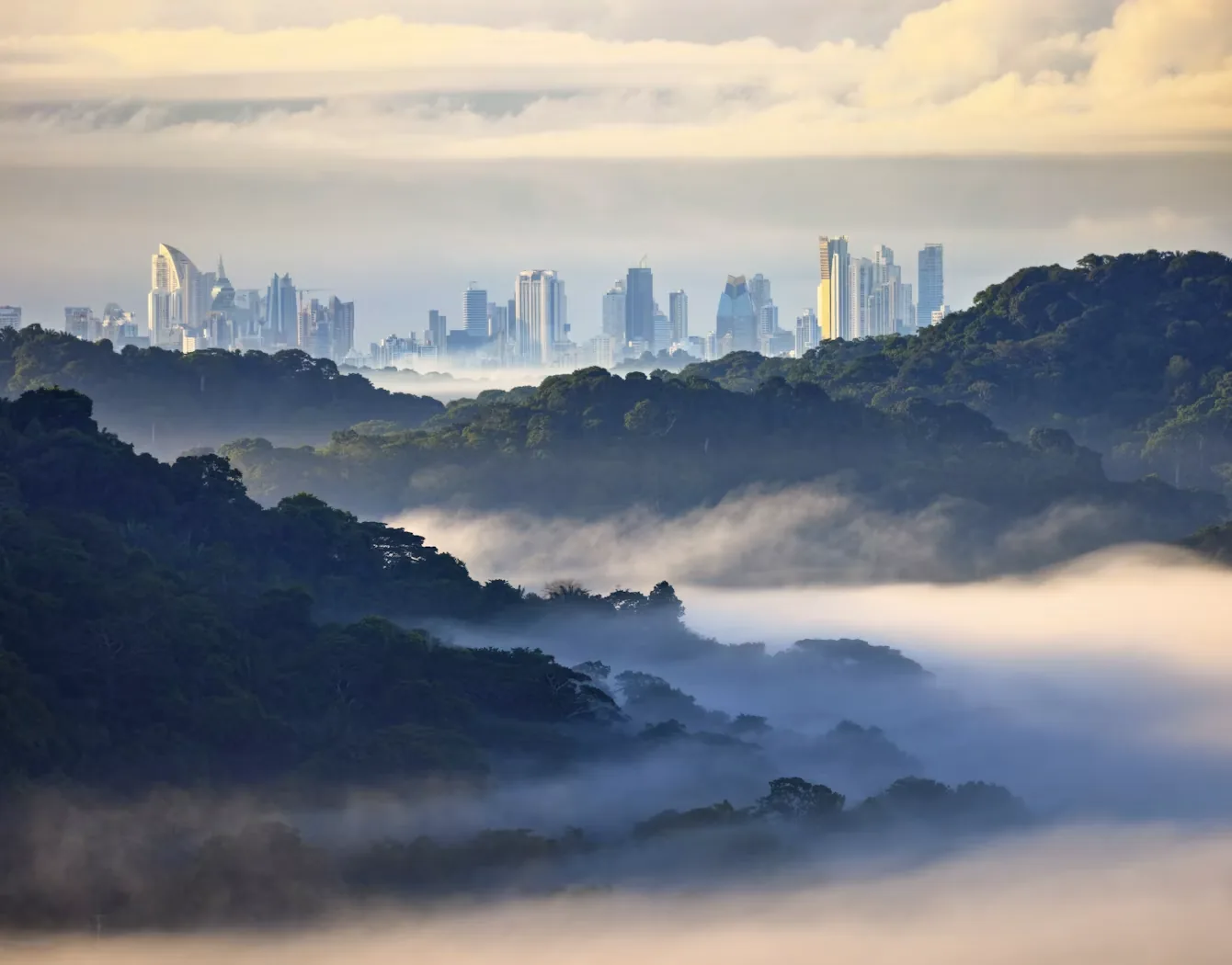
Five years of legal residency on the FNV-to-permanent track unlocks the naturalization petition. The clock counts both the two-year temporary phase and the subsequent permanent-residency period.
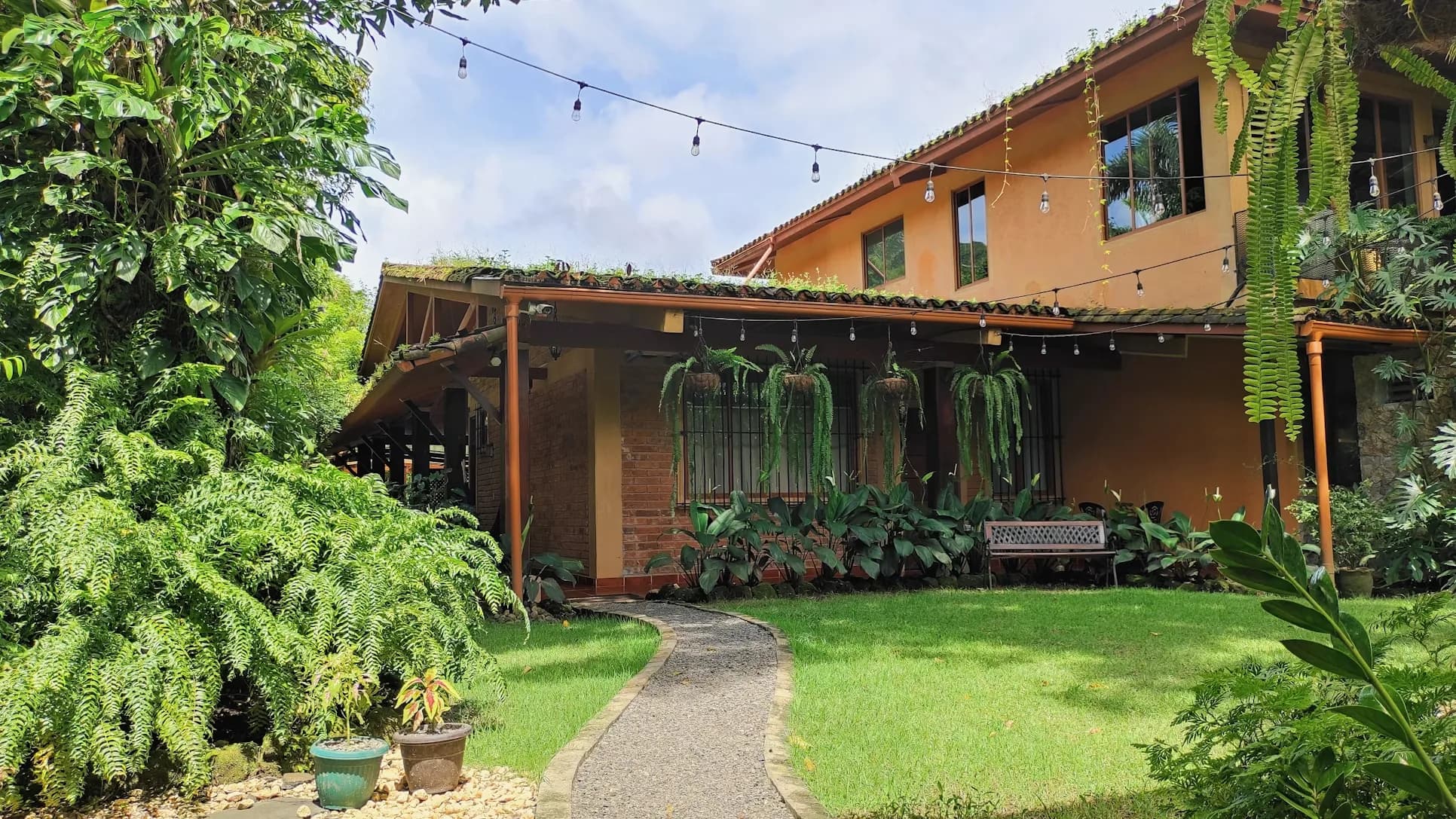
Panama sits on UTC-5 year-round. Same as US Eastern Standard Time in winter, one hour behind in summer. Remote work, US business operations, and family communication stay on cadence.
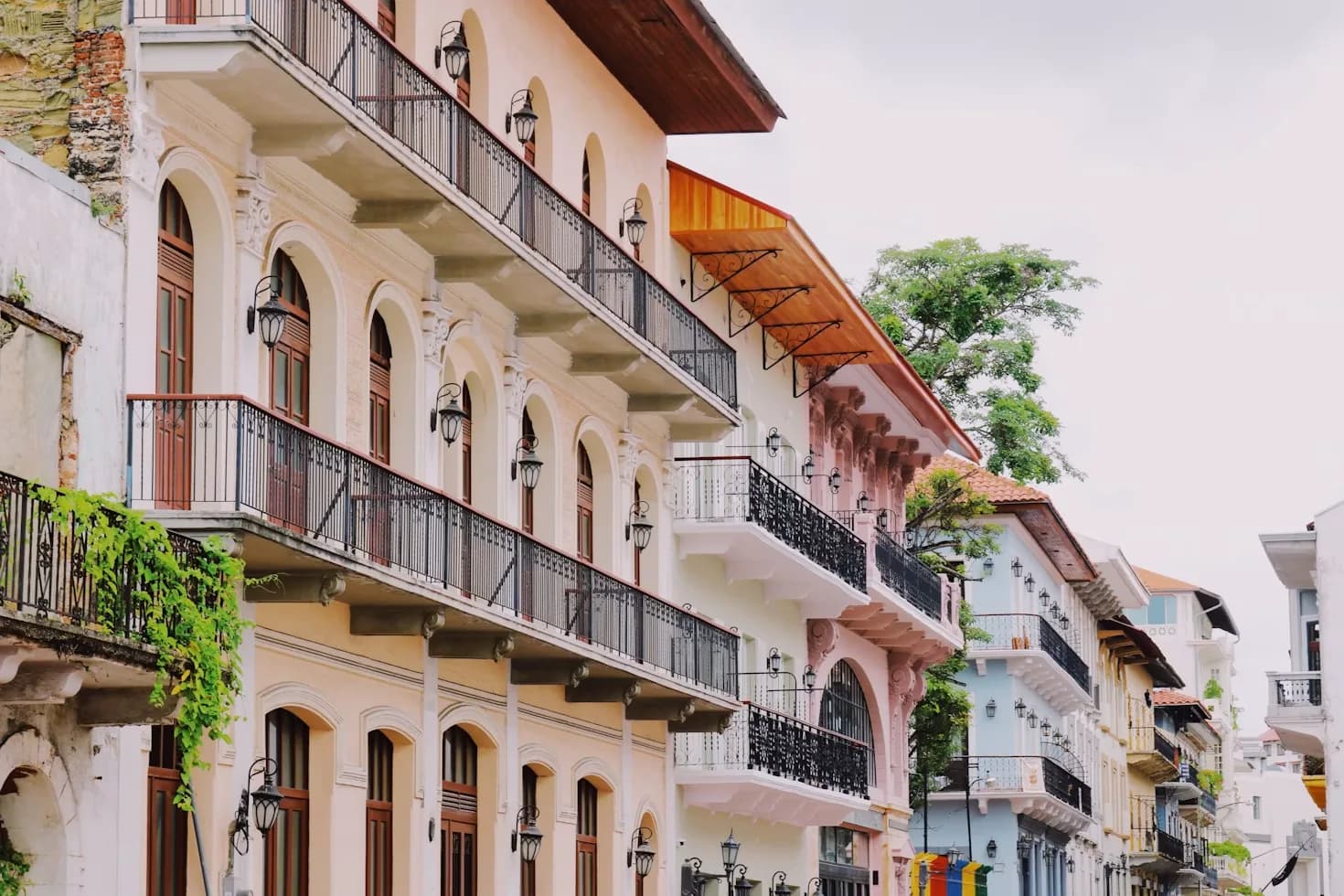
Panama taxes only Panama-source income. Foreign-source earnings are generally not taxed by Panama. The Panamanian side stays clean for Americans whose income is US-sourced.
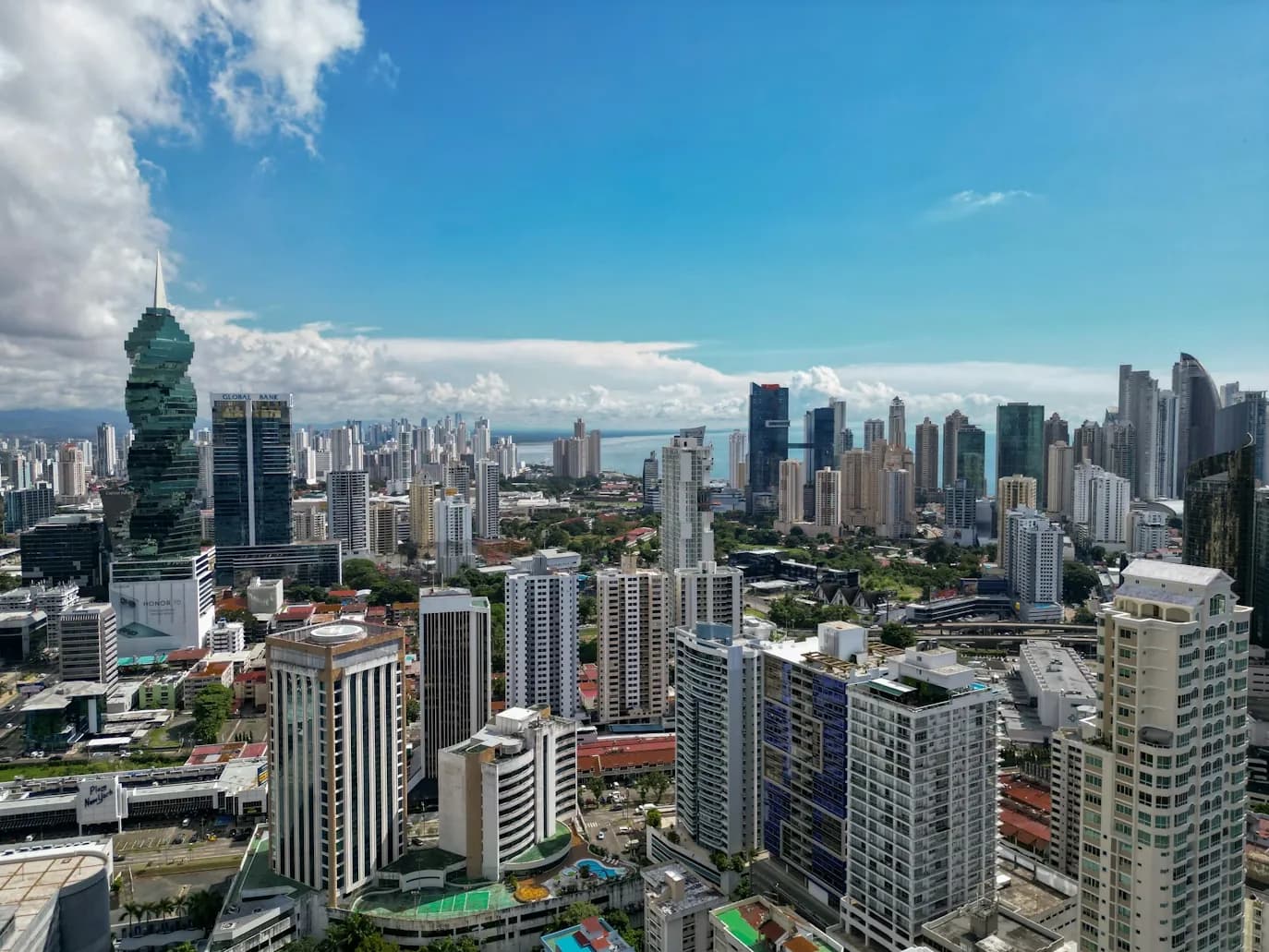
Spouse or registered partner, dependent children, and dependent parents qualify on the principal application. Each family member receives the same residency rights and the same five-year clock.
3 routes into the same residency. Each fits a different financial picture.
Contract-based
Qualify through a contract with a Panamanian employer ('professional reasons' route). No fixed capital threshold; the contract must demonstrate genuine commercial activity and the employer must be properly registered. Fits remote workers with Panamanian-employer arrangements and clients building Panamanian operations. The most flexible and lowest-friction entry route.
$200,000
Acquire Panamanian residential or commercial property at $200K+ in your name. The property must be properly titled and registered with the Public Registry. Recoverable on resale, subject to capital-gains treatment.
$200,000
Place $200K in a Panamanian bank as a fixed-term time deposit. The lowest-friction capital route through the program with no property purchase or business operating overhead. Capital is recoverable at maturity.
Choosing the right route is half the work. We model the comparison against your portfolio in the Consult.
Reach out and tell us about your situation. From there, you'll either book a 60-minute Freedom Consult (if you're weighing options across countries) or get started on this route directly (if you already know it's the right fit).
We coordinate the document pack: FBI background check (apostilled), birth and marriage certificates, US tax returns, source-of-funds documentation (or employment contract for the professional route), and the Panamanian-counsel power of attorney.
Complete the qualifying property purchase, place the bank deposit, or secure the Panamanian employment contract. Our Panamanian counsel coordinates the documentation with the relevant authority.
Our Panamanian counsel files the FNV application with the National Immigration Service. Filing requires a brief trip to Panama to attend the in-person interview and biometrics.
Receive your temporary residency card. Maintain the qualifying activity (property, deposit, or contract) and enter Panama at least once every two years to keep the residency active.
At year two, file the conversion application with the National Immigration Service. Approval grants permanent residency status with no new financial demonstration required.
After five years of legal residency (two temporary + three permanent), file the naturalization petition. A basic Spanish-language test and Panamanian-civics exam are part of the application.
Processing
Temporary residency
Permanent residency
Citizenship
4-6 months
Years 1-2
Years 2-5
Year 5+
How this program stacks against the closest credible options for the same visitor. We don’t earn more if you choose one over another.
| Dimension | Panama Friendly Nations | Panama Qualified InvestorLearn more | Panama RentistaLearn more |
|---|---|---|---|
| Minimum financial bar | Employment or $200K property | $300K property | $1K/mo passive income |
| Processing | 4-6 months | 30-90 days | 4-6 months |
| Status type | Temporary → permanent at year 2 | Permanent on grant | Permanent at year 5 |
| Presence required | Once / 2 years | Once / 2 years | Once / 2 years |
| Time to citizenship | 5 years | 5 years | 5 years |
| Family inclusion | Spouse, children, parents | Spouse, children, parents | Spouse, children, parents |
| Tax system | Territorial | Territorial | Territorial |
The FNV fits clients with employment or moderate capital. The QIV is faster and grants permanent residency directly but requires higher capital. The Rentista fits retirees with stable passive income. We don't earn more if you pick one over another.
Want a four-page Panama PDF covering everything on this page plus the comparison framework we use internally?
Three reasons families pick Freedom Files over the do-it-yourself path or a single-jurisdiction agent.
We know the National Immigration Service from active engagements across the FNV, QIV, and Rentista routes. The FNV looks simple until the in-person interview scheduling cycle begins.
About a third of FNV inquiries end with our recommendation against engagement. We tell you when the QIV speed advantage or the Rentista's lower threshold fits better.
Every engagement runs with US-licensed counsel from the first call. The territorial-tax interaction with US worldwide filing and the conversion-cycle planning are mapped before residency triggers.
The property route at $200K is the most common — tangible Panamanian asset, recoverable on resale, lowest documentation overhead. The bank-deposit route at $200K is the most conservative. The professional-employment route is for clients with a contract with a Panamanian employer; it requires no capital outlay but the employer relationship must be genuine and properly documented. We model the right approach during the Consult.
Five years of legal residency total (two years on the temporary FNV plus three years on permanent residency after conversion). The application requires a Spanish-language test and a basic Panamanian-civics exam. Petition-to-decision typically runs 12 to 24 months after the five-year clock matures.
The FNV does not automatically grant work authorization. To work for a Panamanian employer, you need a separate work permit which can be obtained alongside the FNV. The 'professional reasons' route effectively bundles the work authorization with the residency for that specific Panamanian employer. For remote work for non-Panamanian employers, no separate authorization is required.
Panama runs a territorial tax system: only Panama-source income is taxable to Panamanian residents. Foreign-source income, including most US-sourced earnings, is generally not taxed by Panama. This produces a clean position for Americans whose income is US-sourced. US worldwide-income filing continues regardless.
Daily life in Panama City's expat districts, Coronado, and Boquete runs comfortably in English at most professional and service contexts. Outside those zones, Spanish becomes essential. The naturalization application requires a Spanish-language assessment, which most clients build through immersion plus formal tutoring during the five-year residency window.
Plan on $1-2K in government and administrative fees (visa, residency card, family-member fees), $6-10K in Panamanian legal fees through our partner counsel, $1-2K in translation and apostille costs, and (for property purchases) 2-3% in property transfer tax and notary fees. Total non-investment cash outlay typically lands in the $10-15K range.
Yes. Spouse or registered partner, dependent children, and dependent parents qualify on the principal application. Each family member receives proportionate residency rights and the same five-year clock to citizenship.
Two paths in. If the Friendly Nations Visa is clearly the right program for your family and you’re ready to engage, contact our team directly. If you’re weighing this against other programs and want an honest read on the right move, the Freedom Consult is the sixty-minute conversation that ends the loop.
We take a small number of new families each quarter.
Most people spend 100+ hours researching residency and citizenship options before they realize they were looking at the wrong programs. We compress that into 10 questions, 90 seconds, and a single report.