

The next country over
Mexico is the only major residency destination US clients can drive to. Three hours from Houston by air, two from LA, four from New York. Weekend trips home are practical; the friction of being abroad stays minimal.

A short flight from anywhere in the US, US East Coast time zones, and a residency program with two parallel tracks: temporary residency at a lower threshold convertible to permanent at year four, or direct permanent residency on first application.
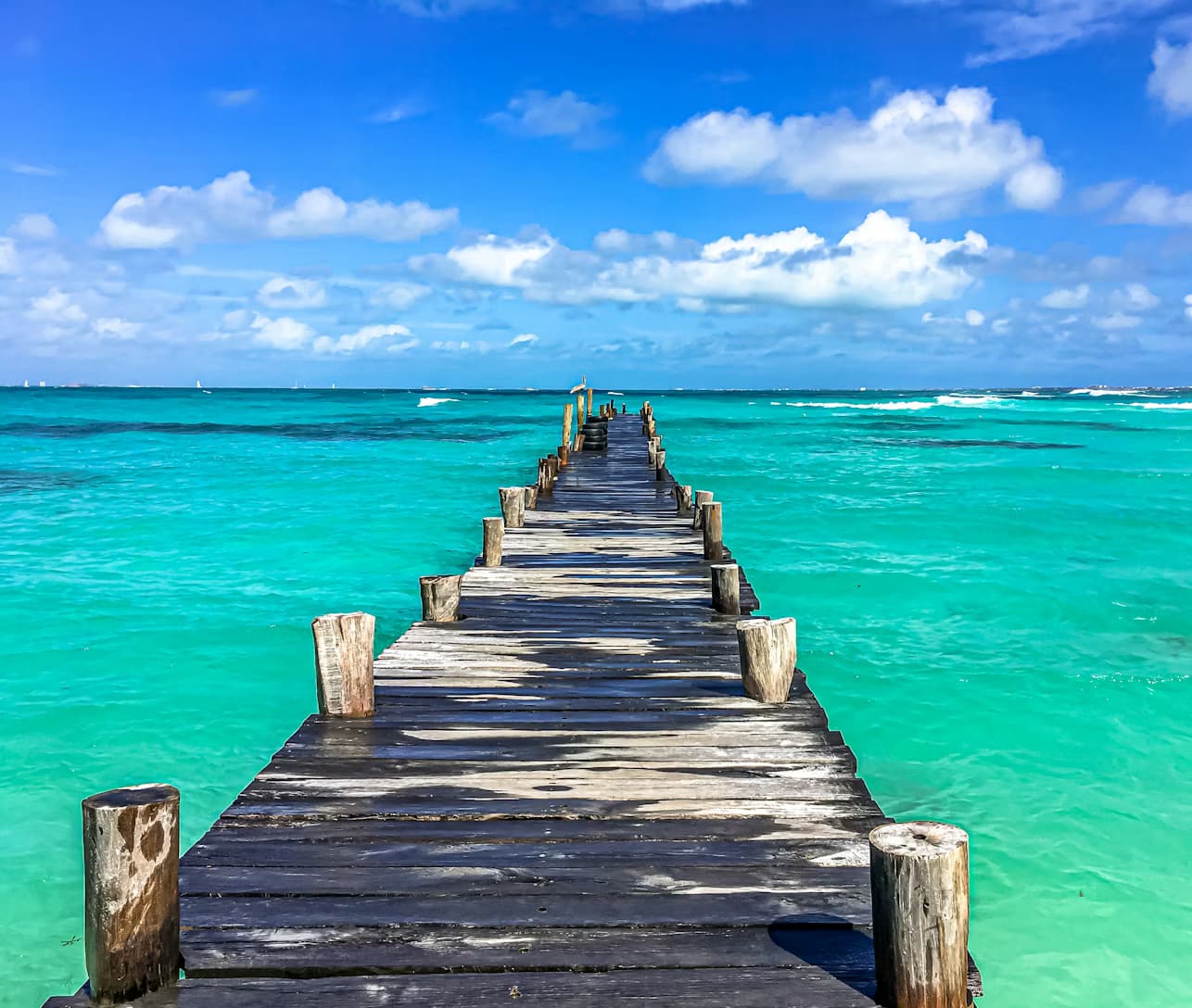
Mexico's Economic Solvency Visa (Visa de Residencia Temporal/Permanente por Solvencia Económica) is a residency permit for non-Mexican citizens with stable foreign-source income or savings. Two parallel tracks share the same program: temporary residency at $4,400/month income or $74K in savings, convertible to permanent residency at year four; or direct permanent residency at $7,400/month income or $300K in savings, granted on first application. Both tracks feed the same five-year clock to Mexican citizenship. You apply through the Mexican consulate that covers your US state, complete a single in-Mexico canje (visa exchange) within 30 days of arrival, and receive a Mexican residency card.
Mexico is the only major residency destination most US clients can drive to. The proximity (2-5 hours by air from major US cities), the US-aligned time zone (UTC-6), and the established American expat infrastructure in Mexico City, San Miguel de Allende, Puerto Vallarta, and the Yucatán mean the relocation experience is materially smoother than most Latin American alternatives. The five-year naturalization clock combined with two flexible entry tracks makes Mexico one of the most accessible Latin American passport routes.
The outcomes the Economic Solvency Visa actually delivers, beyond the headline numbers. The six that matter most to our clients.
Mexico is the only major residency destination US clients can drive to. Three hours from Houston by air, two from LA, four from New York. Weekend trips home are practical; the friction of being abroad stays minimal.
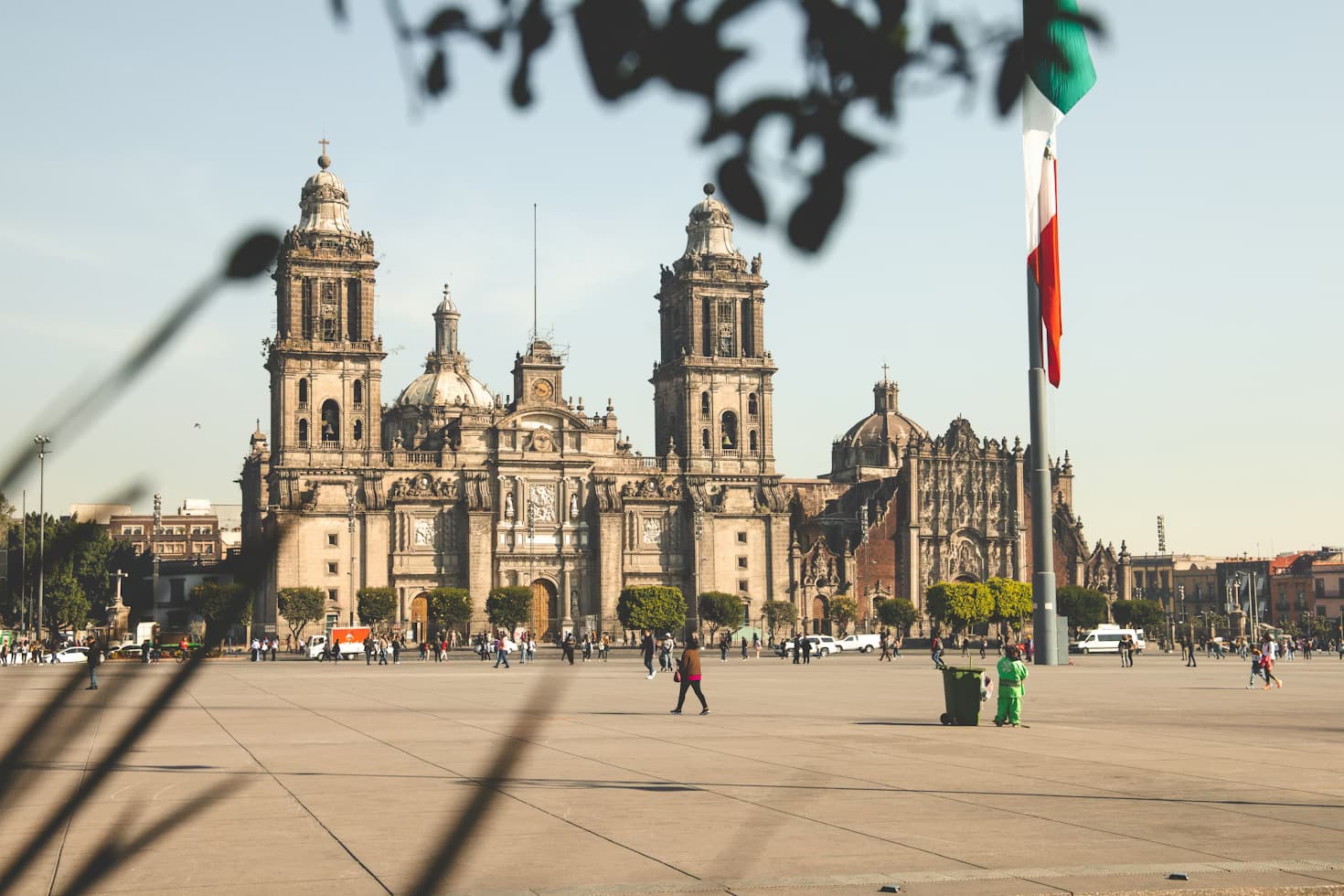
Temporary residency at $4,400/mo or $74K savings, convertible to permanent at year four. Or direct permanent residency at $7,400/mo or $300K savings. Both feed the same five-year clock to citizenship.

Mexican law allows naturalization after five years of legal residency, reduced to two years for those married to a Mexican citizen or with Mexican-born children. The clock runs through both temporary and permanent residency phases.
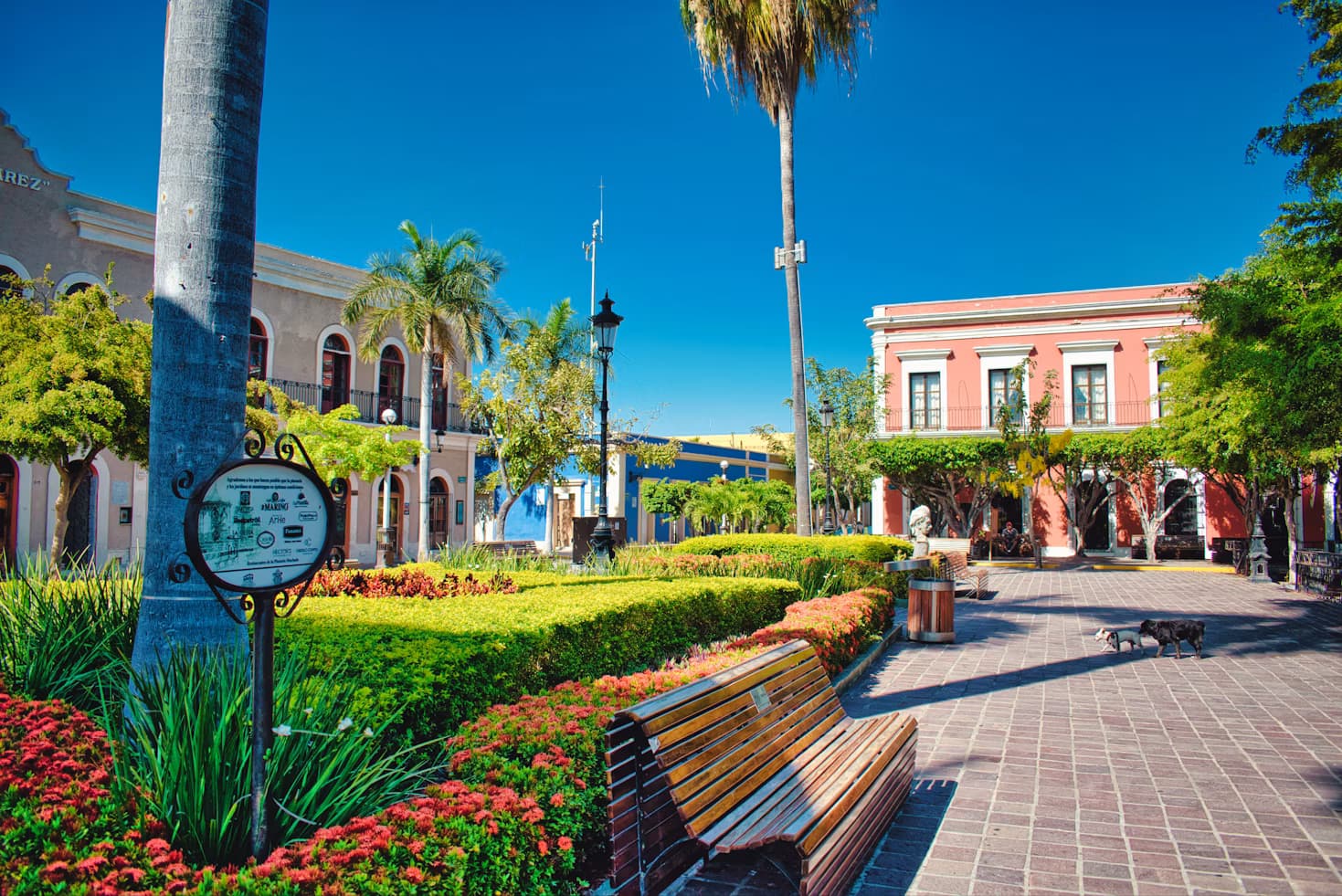
Major Mexican cities run 50-65% below US coastal-city benchmarks. A premium apartment in Mexico City's Roma or Polanco runs $1,500-2,800/month. Healthcare, household help, and dining are all materially cheaper.
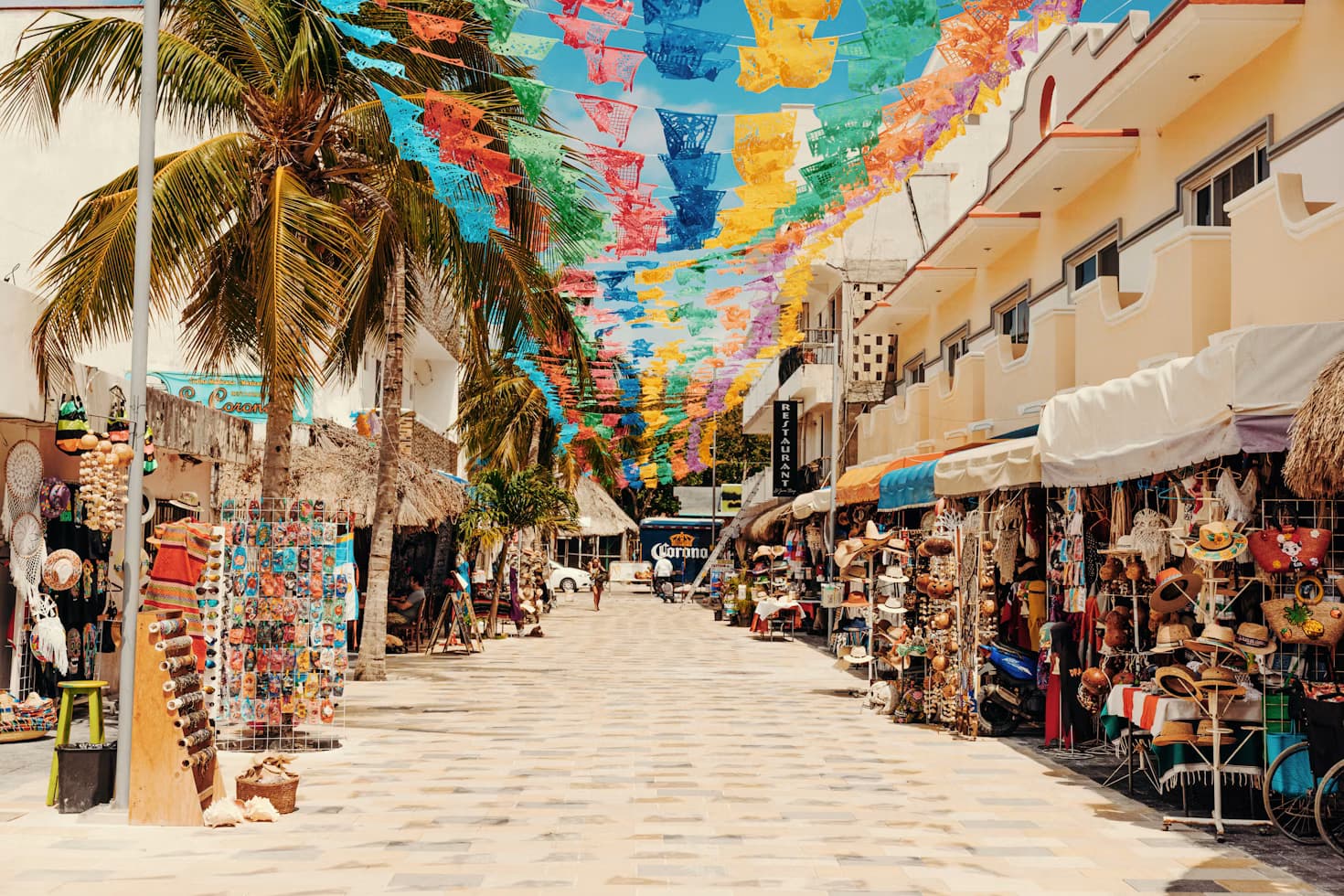
Mexico runs on UTC-6 year-round, no daylight saving. Same time zone as US Central in summer, one hour behind US Eastern in winter. Remote work, US business operations, and family communication stay on cadence.

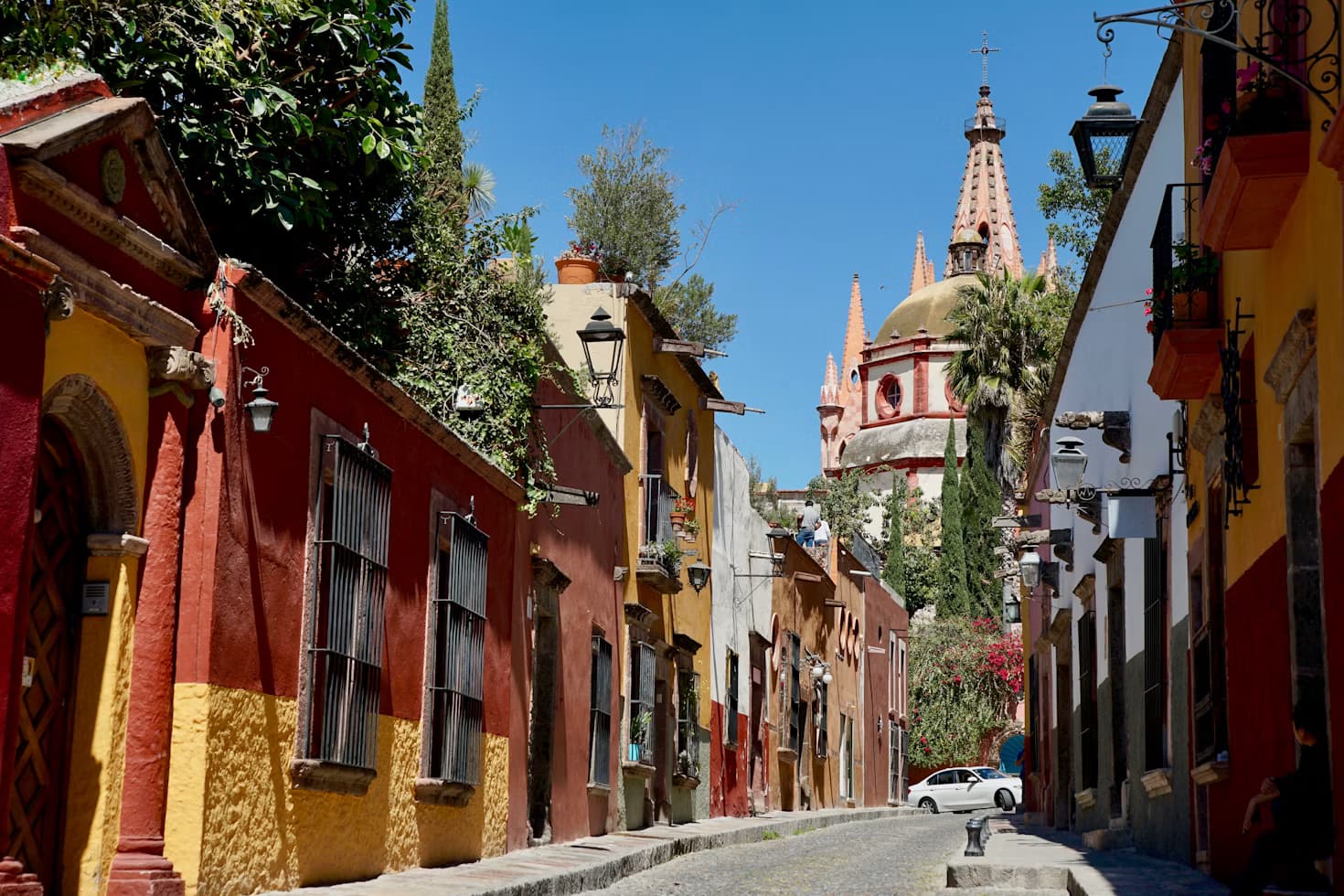
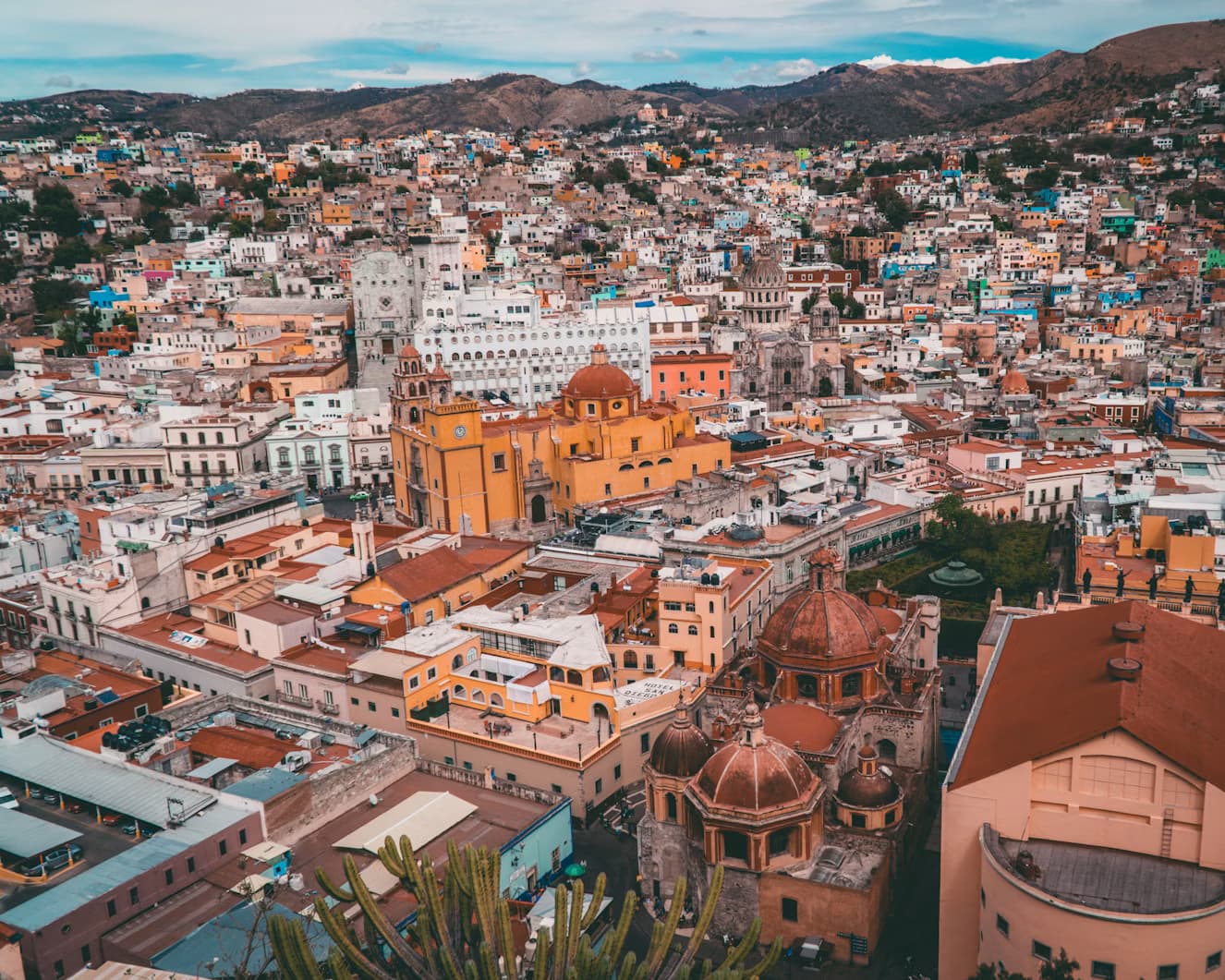
Mexico City's Condesa and Roma, San Miguel de Allende, Puerto Vallarta, Lake Chapala, Mérida, and Playa del Carmen each host substantial American expat communities. International schools, English-speaking healthcare, and bilingual legal services already exist.
The financial threshold to qualify, with the documentation we walk every client through.
$4,400/mo or $74K savings
Demonstrate either $4,400/month in stable foreign-source income (six months of qualifying bank statements) or $74K in foreign-source savings held continuously over six months. Thresholds equate to roughly 300× and 5,000× Mexico's daily minimum wage. Grants temporary residency convertible to permanent at year four. The most common entry point: lighter financial bar and the conversion to permanent is procedural.
$7,400/mo or $300K savings
Demonstrate either $7,400/month in stable foreign-source income (twelve months of qualifying bank statements) or $300K in foreign-source savings held continuously over twelve months. Thresholds equate to roughly 500× and 20,000× Mexico's daily minimum wage. Grants permanent residency on first application with no temporary phase required. The cleaner long-term status for clients who can clear the higher threshold.
Choosing the right route is half the work. We model the comparison against your portfolio in the Consult.
Reach out and tell us about your situation. From there, you'll either book a 60-minute Freedom Consult (if you're weighing options across countries) or get started on this route directly (if you already know it's the right fit).
We coordinate the document pack: passport, FBI background check (apostilled), birth and marriage certificates, six or twelve months of bank statements (depending on route), US tax returns, and the Mexican-counsel power of attorney.
Submit the visa application through the Mexican consulate covering your US state. Most consulates process complete files in 4 to 8 weeks and issue the visa stamp at a single biometric appointment.
You enter Mexico on the visa stamp within 180 days of issuance. Within 30 days of arrival, complete the canje (visa exchange) at the local Instituto Nacional de Migración office. The residency card arrives within 30 to 60 days.
Spend at least 183 days per year in Mexico. The temporary track renews at year one, year two, and year three before converting to permanent at year four. The direct-permanent track has no renewal cycle — permanent on first issue.
At year four on the temporary track, the residency converts to permanent residency on application. The conversion is procedural; no new financial demonstration required.
After five years of legal residency (temporary plus permanent combined), file the naturalization petition with the Secretaría de Relaciones Exteriores. A basic Spanish-language test and Mexican-history exam are part of the application.
Processing
Temporary residency
Permanent residency
Citizenship
3-6 months
Years 1-4
Years 4-5
Year 5+
How this program stacks against the closest credible options for the same visitor. We don’t earn more if you choose one over another.
| Dimension | Mexico Economic Solvency | Colombia Investor VisaLearn more | Dominican Republic InvestorLearn more |
|---|---|---|---|
| Minimum financial bar | $4,400/mo or $74K savings | $50K business or $165K property | $200K business, deposit, or property |
| Presence required | 183+ days / year | 2+ days / year | 183+ days / year (2 years) |
| Processing | 3-6 months | 3-6 months | 4-6 months |
| Time to citizenship | 5 years | 10 years | 2-3 years end-to-end |
| Time-zone alignment | US Central | US Eastern | US Eastern |
| Status type | Temp → perm (year 4) | Temporary (3-yr renewable) | Permanent on grant |
| Family inclusion | Spouse, children, parents | Spouse, children, parents | Spouse, children, parents |
Mexico has the lowest financial threshold of the three and the closest proximity to the US. Colombia offers a low day-count rule for investors. The DR has the fastest naturalization clock but the highest financial bar. We don't earn more if you pick one over another.
Want a four-page Mexico PDF covering everything on this page plus the comparison framework we use internally?
Three reasons families pick Freedom Files over the do-it-yourself path or a single-jurisdiction agent.
We know which Mexican consulates move clean files and which bounce them for additional documentation. The Economic Solvency Visa looks simple until the bank-statement reconciliation phase begins.
About a third of Mexico inquiries end with our recommendation against engagement. We tell you when Colombia, Panama, or Costa Rica fits cleaner.
Every engagement runs with US-licensed counsel from the first call. US-Mexico tax treaty mechanics and foreign-tax-credit planning are mapped before Mexican tax residency triggers.
Most clients start with temporary residency. The financial threshold is lower, the application is lighter, and the conversion to permanent at year four is procedural. The direct-permanent route makes sense for clients who want the cleaner long-term status from day one, do not want to handle four years of renewals, and can comfortably demonstrate the higher savings or income thresholds. We map the right approach during the Consult.
Mexican consulates require six months of bank statements (for the temporary route) or twelve months (for permanent) showing average monthly deposits at or above the threshold. The income must come from foreign sources; Mexican-sourced income does not count toward the qualification. For the savings route, the relevant statements show the qualifying balance held continuously over the same period.
Five years of legal residency for most Americans, reduced to two years if you marry a Mexican citizen or have a Mexican-born child. The clock counts time on temporary residency, permanent residency, or both combined. A basic Spanish-language test and a basic Mexican-history exam are part of the application.
Daily life in Mexico City's Condesa and Roma, San Miguel de Allende, Puerto Vallarta, Lake Chapala, and the major coastal expat zones runs comfortably in English at most professional and service contexts. Outside those zones, Spanish becomes essential. The naturalization application requires a Spanish-language assessment, which most clients build through immersion plus formal tutoring during the five-year residency window.
The United States taxes citizens on worldwide income regardless of residency. Mexico taxes residents on worldwide income, with foreign-tax-credit overlap that mitigates double taxation in most cases. The US-Mexico tax treaty mechanics are technical; we coordinate with US-licensed counsel.
The established American expat zones (Mexico City's Condesa, Roma, Polanco; San Miguel de Allende; Puerto Vallarta; Lake Chapala; Mérida) are statistically safer than many US small cities. Other parts of the country require care, and we steer engagements toward the established zones during onboarding. We brief on geography during the Consult and update active clients on any material changes to regional advisories.
No. The United States and Mexico both permit dual citizenship. Mexico has allowed dual citizenship since 1998; you can hold both passports indefinitely.
Two paths in. If the Economic Solvency Visa is clearly the right program for your family and you’re ready to engage, contact our team directly. If you’re weighing this against other programs and want an honest read on the right move, the Freedom Consult is the sixty-minute conversation that ends the loop.
We take a small number of new families each quarter.
Most people spend 100+ hours researching residency and citizenship options before they realize they were looking at the wrong programs. We compress that into 10 questions, 90 seconds, and a single report.