Freedom FilesFreedom Files
← All destinations
EuropeResidency

Italy

La dolce vita with two of Europe's most generous tax planning tools for new residents: a €300K lump-sum regime for high-net-worth movers and a 7% flat tax for retirees in the south.

Population
59 million
Language
Italian (English in expat hubs)
Currency
Euro (€)
Time zone
CET / CEST (UTC+1 / UTC+2)
Capital
Rome
GDP per capita
~US$36K
  1. A standard of living wrapped in beauty

    Food, climate, architecture, and a culture that treats lunch as a constitutional right. Italians have been engineering daily life for pleasure for two thousand years, and it shows. Most clients say Italy passes the do-I-want-to-spend-the-rest-of-my-life-here test on month one.


  2. The €300K lump-sum tax regime

    Italy offers new residents who transfer tax residency a flat €300K-per-year substitute tax on all foreign-source income, dividends, and capital gains, for up to fifteen years. For families with meaningful offshore wealth, this is among the most efficient inbound regimes in Europe. Family members can join at a discounted add-on rate.

  3. The 7% flat tax for retirees in the south

    Move foreign pension income into qualifying southern Italian comuni – towns under 20,000 in Abruzzo, Molise, Puglia, Calabria, Basilicata, Sardegna, Sicilia, and others – and you pay a flat 7% on that income for nine years. Italy is essentially paying retirees to repopulate the Mezzogiorno.

  4. EU residency with global mobility

    Italian residency unlocks the Schengen Area immediately and gives a European base from which most of the continent is a short flight away. Italy itself sits at the geographic center of Europe, with direct service to nearly every EU capital.

  5. World-class healthcare

    The Italian public health service ranks consistently among the world's top ten by WHO measures. Most Americans carry private insurance on top for faster access, at premiums that are a fraction of US private-insurance costs.

  6. An American community already on the ground

    Tuscany, Rome, Milan, Florence, the Amalfi Coast, and Lake Como each have substantial American expat communities. The English-speaking attorneys, the international schools, and the dual-language service providers already exist.

Programs

Three routes into Italy

Each route below is a live client engagement we have advised. Figures and timelines reflect the current state of each program; we update them whenever policy moves.

  • Investor Visa

    Residency

    Two-year residency through investment in an Italian innovative start-up or limited-company shares, renewable in three-year increments. Visa decision is typically issued within 30 days of submission. Path to permanent residency at year five and naturalization at year ten.

    Financial requirement
    €250K startup or €500K business
    Timeline
    2 to 4 months
  • Elective Residency Visa

    Residency

    Long-running residency for retirees and others with stable foreign-source income who agree not to work in Italy. Renewable. Stacks well with the 7% southern-Italian flat-tax regime when residency is established in a qualifying comune.

    Financial requirement
    €32K/yr passive income
    Timeline
    2 to 3 months
  • Digital Nomad Visa

    Residency

    One-year visa for remote workers and highly-skilled contractors with foreign-source employment or contract income, renewable. Family inclusion available. Compatible with the €300K lump-sum regime where applicable.

    Financial requirement
    €28K/yr active income
    Timeline
    2 to 3 months

Several routes, several ideal profiles. Which is right for you? The Freedom Consult is where we figure out your ideal path forward – and whether Italy is even the right country.

A taste of Italy

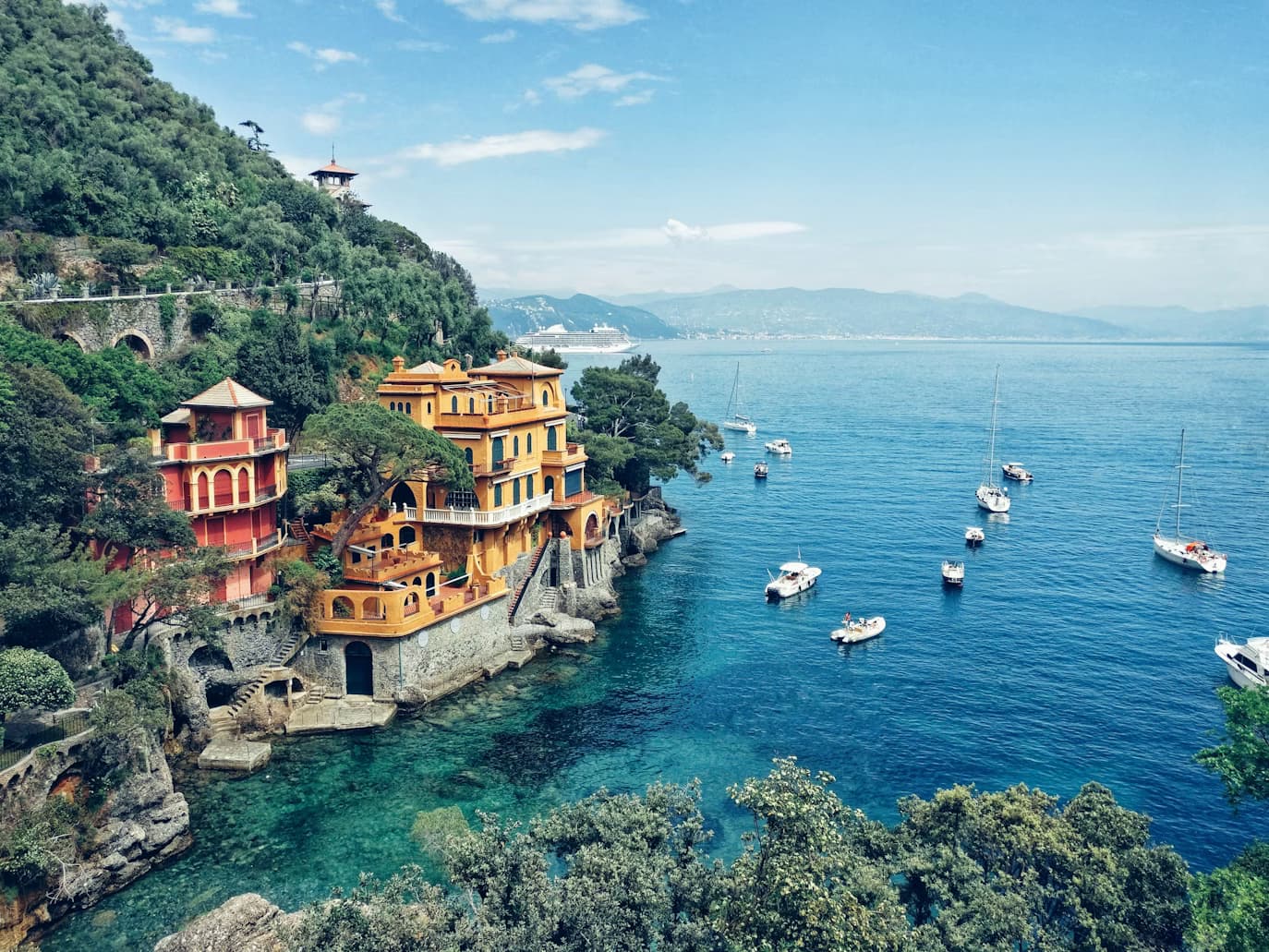
Italy editorial photograph 1
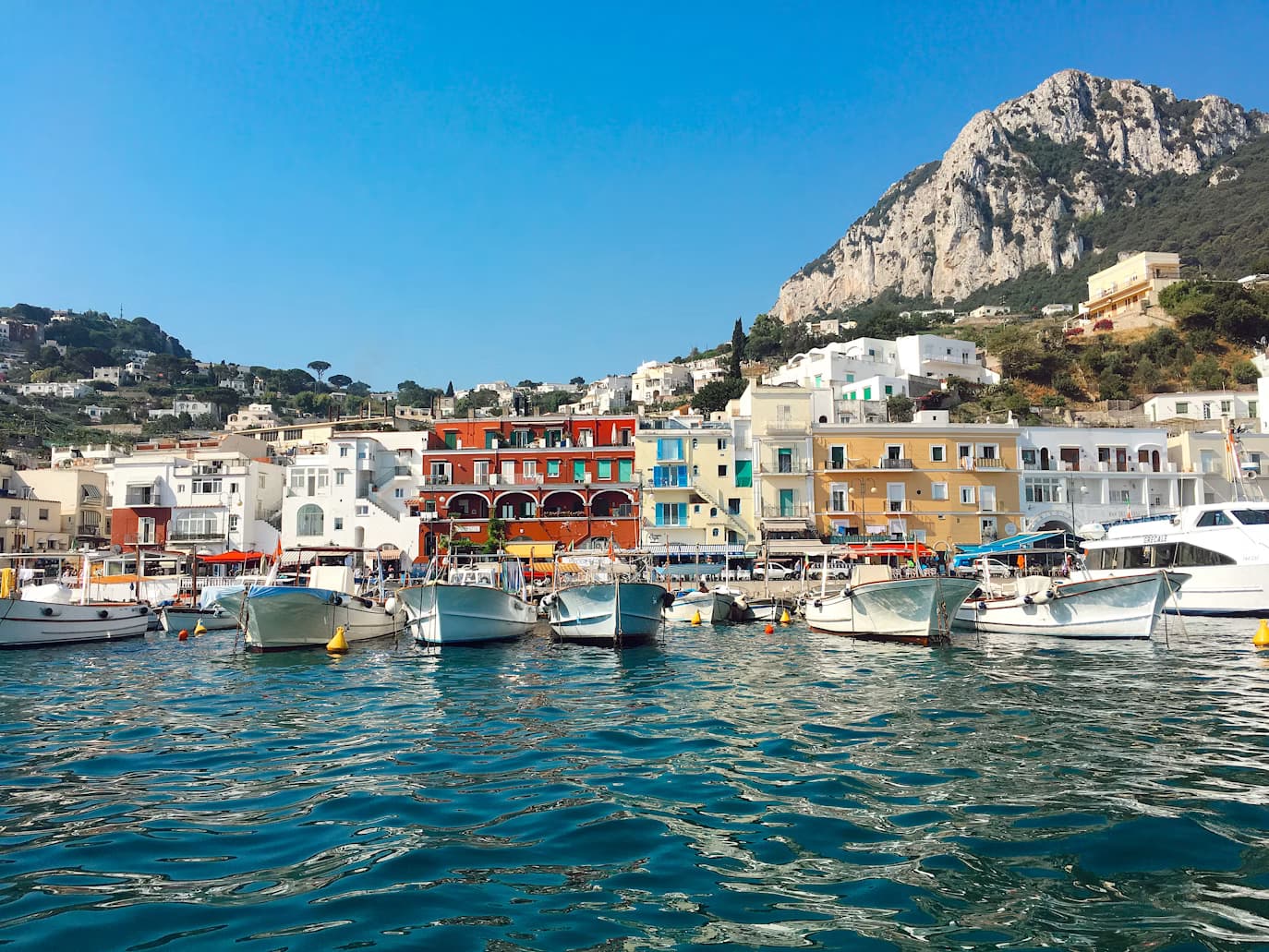
Italy editorial photograph 2
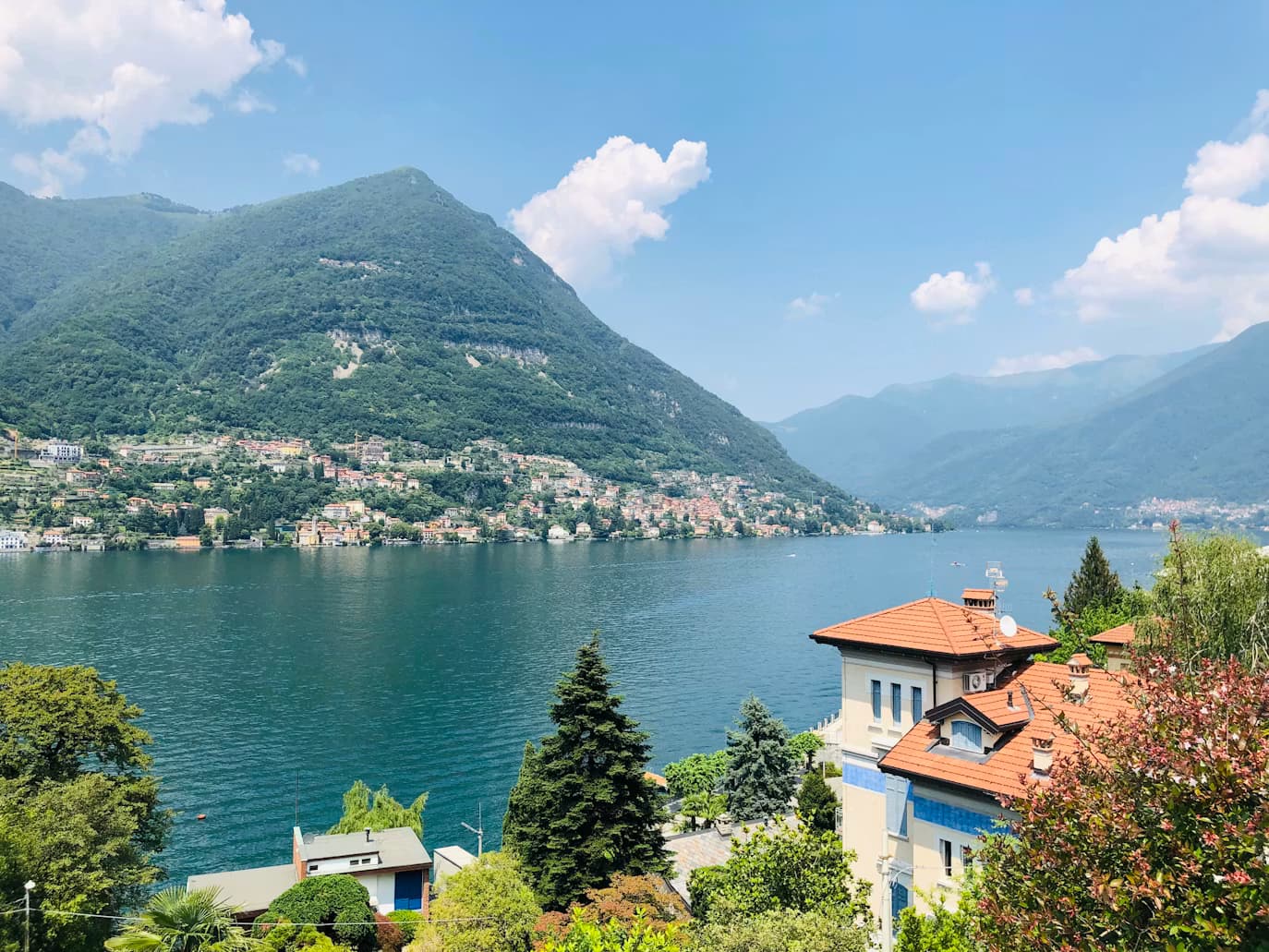
Italy editorial photograph 3
Italy editorial photograph 5Italy editorial photograph 6Italy editorial photograph 7Italy editorial photograph 8

How does the €300K lump-sum regime actually work?

New residents who transfer tax residency to Italy and have not been Italian tax residents for nine of the previous ten years can elect to pay a flat €300K-per-year substitute tax in lieu of ordinary Italian taxation on all foreign-source income, dividends, and capital gains. The election runs for up to fifteen years. Each qualifying family member can join the regime at €25K per year. We coordinate the election with US-licensed counsel so the credit mechanics work cleanly.

What is the 7% southern-Italian regime?

Move foreign pension income into a qualifying southern Italian comune – generally towns under 20,000 in Abruzzo, Molise, Puglia, Basilicata, Calabria, Sardegna, or Sicilia – and you pay a flat 7% on that income for nine years. Eligibility requires you not to have been an Italian tax resident in the previous five years. It pairs naturally with the Elective Residency Visa.

How long until I can hold an Italian passport?

Ten years of legal residency is the standard naturalization timeline. Italians of recent descent may qualify via jure sanguinis – citizenship by descent – which is a separate, faster pathway with no residency requirement. We screen for descent eligibility on the consult call; it materially changes the strategy when it exists.

Do I have to learn Italian?

Rome, Milan, Florence, and the major tourist regions run comfortably in English. The naturalization application requires a B1-level Italian-language certification, which most clients prepare for in the eighteen months before filing. Daily life elsewhere benefits substantially from Italian.

What happens to my US taxes once I move?

The United States taxes citizens on worldwide income regardless of residency. The US-Italy tax treaty provides credit and tie-breaker mechanics that, when paired with the €300K regime or the 7% south regime, can produce highly efficient outcomes. The interaction is technical; we coordinate with US-licensed counsel.

Can my family come with me?

Yes. Spouses or registered partners, dependent children, and dependent parents qualify under a single application. Each family member receives the same residency rights and, under the €300K regime, joins at €25K per year add-on tax instead of full Italian taxation.

Will I have to give up my US citizenship?

No. The United States and Italy both permit dual citizenship. You can hold both passports indefinitely.

How life compares

Eight factors, against the US baseline

The dimensions that decide whether a place is workable once the visa lands.

English

Strong in major cities

Rome, Milan, Florence, and tourist regions run in English at restaurants, hotels, and most service providers. Smaller towns lean Italian – useful, often necessary.

Cost of living

Lower than US coastal

Italy runs 20-40% below US coastal-city benchmarks outside the most fashionable districts of Milan, Rome, and the Amalfi Coast. Tuscany, Umbria, and the south are materially cheaper still.

Taxes

Two generous new-resident regimes

€300K-per-year lump sum on foreign income for fifteen years for high-net-worth movers; 7% flat tax on foreign pensions for nine years in qualifying southern comuni. Outside the regimes, Italian rates are high – the regimes do the work.

Quality of life

Consistently top-tier

Italy ranks high on global quality-of-life indices. The food, the climate, the civic and aesthetic culture each contribute. Most clients adapt within months.

Safety

Among Europe's safest

Low violent-crime rates across the country. Petty theft is the urban-tourist standard concern in Rome and Naples; major-city residential neighborhoods are statistically safer than US urban equivalents.

Travel connectivity

Excellent across Europe

Rome and Milan are major European hubs with daily direct service to most US cities and dense intra-EU connectivity. Italy itself sits central – Paris in two hours, Vienna in two.

Infrastructure

Modern in the north, variable elsewhere

Northern Italian infrastructure – rail, utilities, internet – is EU-standard and reliable. Central and southern Italy are unevenly modern; rural areas can require workarounds.

Healthcare

Top-ten by WHO

Universal public coverage available to legal residents; most expats add private insurance for faster access. Italian medical training and outcomes consistently rank among the world's best.

The Italy briefing

The facts, programs, and comparison

A four-page PDF covering everything on this page plus the comparison framework we use internally. Delivered to your inbox, and the next briefing every week.

No spam ever! Unsubscribe in one click.

Get your custom Plan B Blueprint

Most people spend 100+ hours researching residency and citizenship options before they realize they were looking at the wrong programs. We compress that into 10 questions, 90 seconds, and a single report.