Freedom FilesFreedom Files
← All destinations
CaribbeanResidency

Dominican Republic

Permanent residency from day one, a two-year clock to citizenship, and three different ways to qualify for the same threshold. One of the most flexible structured residency programs in the Caribbean.

Population
10.7 million
Language
Spanish (English in tourist zones)
Currency
Dominican Peso (USD widely accepted)
Time zone
AST (UTC−4, no DST)
Capital
Santo Domingo
GDP per capita
~US$11K
  1. A two-year clock to citizenship

    Dominican law allows naturalization after two years of legal residency. That is among the fastest naturalization clocks anywhere outside Argentina, and the residency itself is permanent from day one rather than a temporary status that must convert. For families building a second-passport plan from a Caribbean base, few countries get to the finish line this quickly.
  2. Three equal-priced ways to qualify

    The $200K threshold can be met through business investment, a Dominican bank deposit, or qualifying real estate. The same residency, the same timeline, the same path to citizenship apply to each. Choose the route that fits your portfolio strategy rather than the other way around.

  3. Permanent residency from day one

    Unlike most regional programs that grant temporary status convertible to permanent at year two or three, the Dominican investor visa issues permanent residency on initial grant. The clock to citizenship runs from a permanent baseline. There is no conversion application and no risk of non-renewal.

  4. Same time zone as the US East Coast

    The Dominican Republic sits on UTC−4 year-round, no daylight saving. Same time as US Eastern in winter; one hour ahead in summer. Remote work, US business operations, and family calls all run on cadence.

  5. A two-hour flight from Miami

    Punta Cana, Santo Domingo, and Santiago each host daily direct service to most major US cities. Two hours from Miami, three from New York, four from Houston. Weekend trips home are practical; the friction of being abroad stays minimal.

  6. An established American expat community

    Santo Domingo (especially Piantini and Naco), Punta Cana, Cap Cana, Cabarete, and Las Terrenas each have substantial American expat communities. The international schools, the English-speaking attorneys, and the bilingual healthcare networks already exist.

Programs

One route into Dominican Republic

Each route below is a live client engagement we have advised. Figures and timelines reflect the current state of each program; we update them whenever policy moves.

  • Investor Visa

    Residency

    Permanent residency on initial grant through one of three flexible $200K investment routes: a qualifying Dominican business, a Dominican bank deposit, or qualifying real estate. Six-month annual physical-presence requirement during the first two years; citizenship by naturalization after two years of legal residency.

    Financial requirement
    $200K business, bank deposit, or property
    Timeline
    4 to 6 months
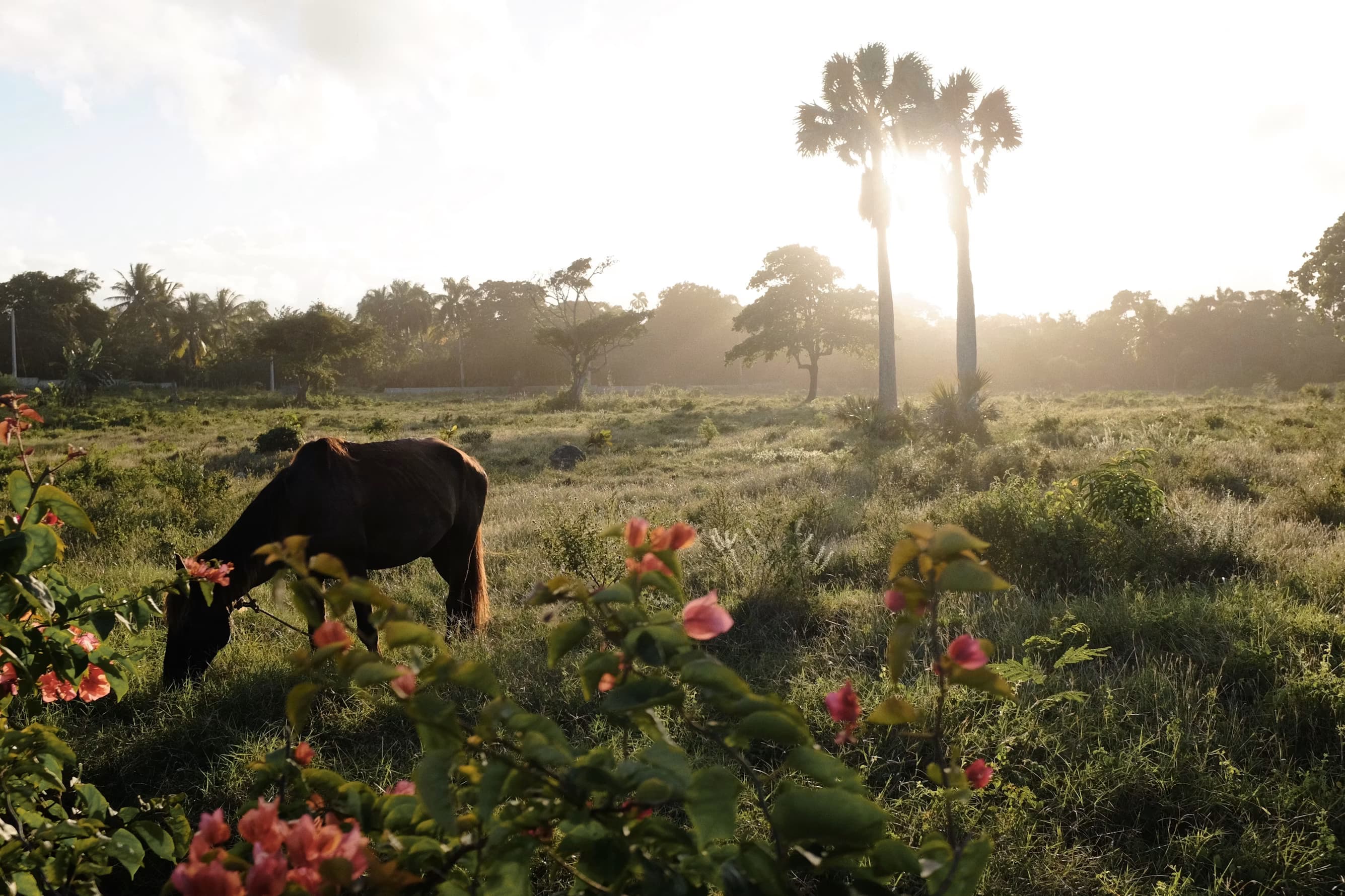
  • Dominican Republic editorial photograph
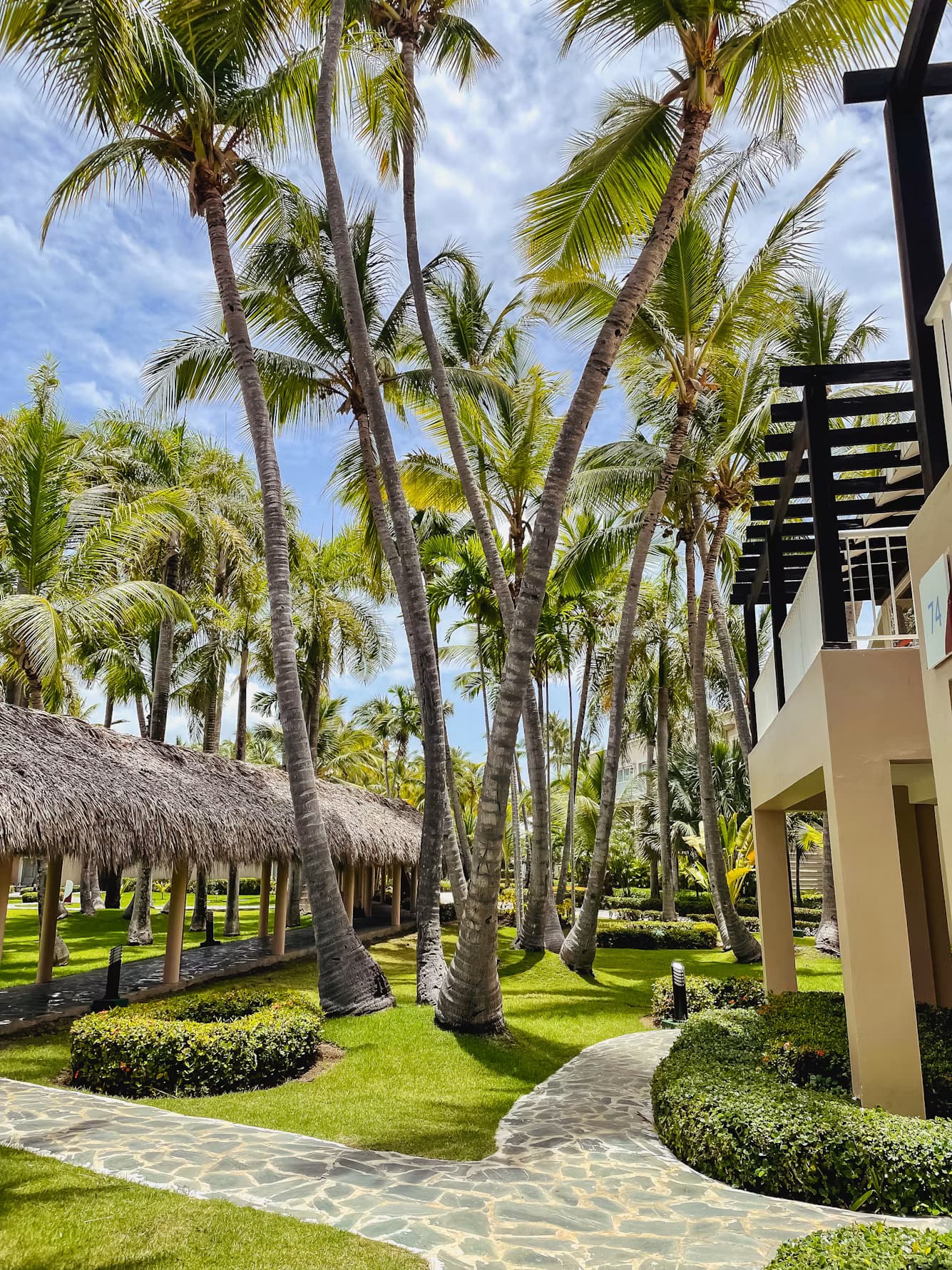
  • Dominican Republic editorial photograph

Several routes, several ideal profiles. Which is right for you? The Freedom Consult is where we figure out your ideal path forward – and whether Dominican Republic is even the right country.

A taste of Dominican Republic

Dominican Republic editorial photograph 1
Dominican Republic editorial photograph 2
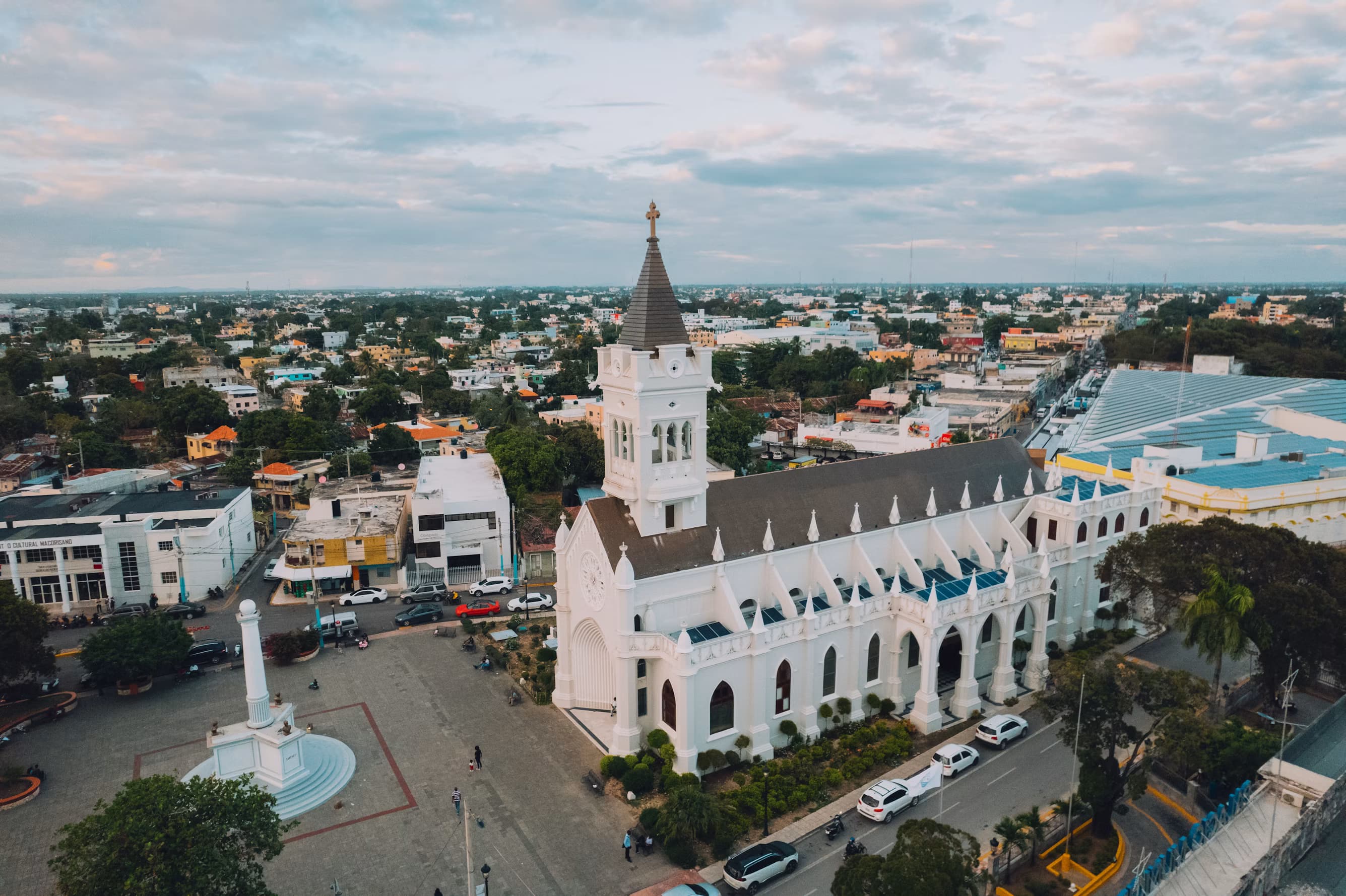
Dominican Republic editorial photograph 3
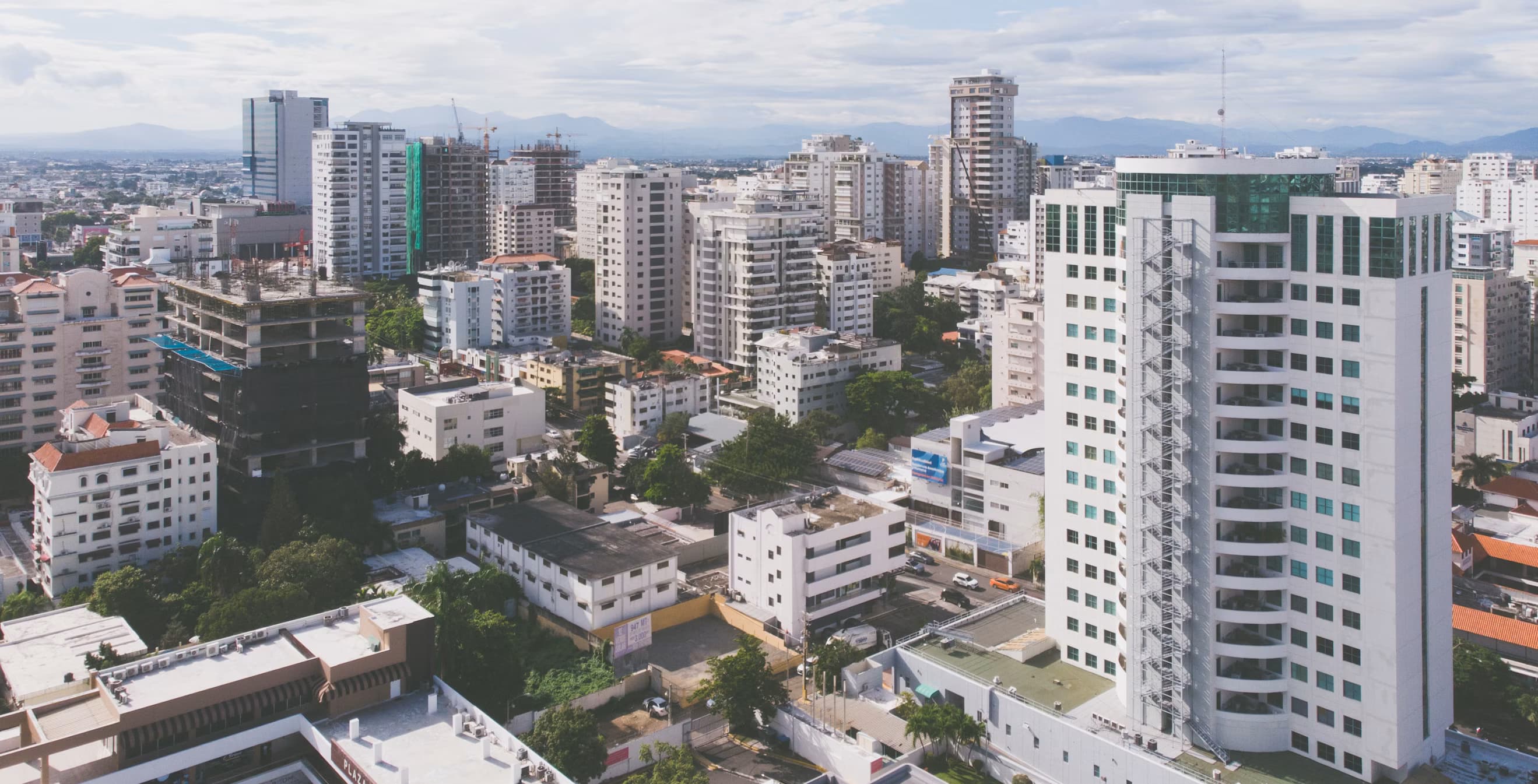
Dominican Republic editorial photograph 4Dominican Republic editorial photograph 5

How does the two-year clock to citizenship actually work?

Dominican law allows naturalization after two years of legal permanent residency. The clock starts the date your investor residency is approved. During those two years, you need to spend at least six months per year in the Dominican Republic. After two years, you submit the naturalization petition with a Spanish-language assessment and a basic civics exam. The petition itself typically processes within six to twelve months.

Do I really have to spend six months per year there?

Yes. The investor visa requires roughly 183 days per year of physical presence during the qualifying period to support a clean citizenship petition. This is more demanding than CBI routes (zero presence) and more demanding than Portugal's seven-fourteen-day rule, but materially lighter than most US-resident comparisons. Most clients use the two-year window deliberately, treating it as a strategic relocation rather than passive optionality.

Do I have to learn Spanish?

The naturalization application requires a Spanish-language assessment and a basic Dominican civics exam. Daily life in Santo Domingo's expat neighborhoods, Punta Cana, and Cap Cana runs comfortably in English at most service providers, but Spanish is essential for the citizenship phase. Most clients use the two-year residency window to build practical Spanish through immersion plus tutoring.

What happens to my US taxes once I move?

The United States taxes citizens on worldwide income regardless of residency. The Dominican Republic taxes residents on Dominican-source income only, not on worldwide earnings. Foreign-source income is generally not taxable in the DR, which makes the tax structure clean for Americans whose income is US-sourced. We coordinate with US-licensed counsel for clients restructuring around the move.

Can my family come with me?

Yes. Spouses or registered partners, dependent children, and dependent parents qualify as beneficiaries under a single application. Each family member receives the same permanent-residency status and the same two-year clock to citizenship eligibility.

Will I have to give up my US citizenship?

No. The United States and Dominican Republic both permit dual citizenship. You hold both passports indefinitely.

How strong is the Dominican passport?

The Dominican passport currently grants visa-free or visa-on-arrival access to roughly 75 destinations, including most of Latin America and the Caribbean. It is materially weaker than European or Caribbean-CBI passports on raw mobility, but it sits alongside your US passport rather than replacing it. The strategic value is the citizenship itself, not the standalone mobility.

How life compares

Eight factors, against the US baseline

The dimensions that decide whether a place is workable once the visa lands.

English

Strong in expat zones, otherwise Spanish

Santo Domingo's Piantini and Naco neighborhoods, Punta Cana, Cap Cana, and Cabarete run comfortably in English at most professional and service contexts. Outside those zones, Spanish is necessary.

Cost of living

Lower than the US, higher than other LatAm

Higher than mainland Latin America due to import-dependence, but materially below US coastal benchmarks. A comfortable expat-zone life for a couple costs $3,000 to $4,500 a month, including premium housing.

Taxes

Territorial system

The Dominican Republic taxes only Dominican-source income. Foreign-source income is generally not taxed by the DR. US worldwide-income filing continues regardless.

Quality of life

Resort-grade in expat hubs

World-class beaches, year-round 75 to 85 degrees, a deep Caribbean food and music culture. Cap Cana and Casa de Campo deliver private-resort lifestyles; Cabarete is a windsurfer's haven.

Safety

Neighbourhood-specific

The expat neighborhoods in Santo Domingo, the gated communities in Punta Cana and Cap Cana, and the established beach towns are statistically safer than many US small cities. Other zones require situational awareness. We brief on geography during onboarding.

Travel connectivity

Excellent to the US

Punta Cana, Santo Domingo, and Santiago each host daily direct service to most major US cities. Two hours from Miami, three from New York. Limited direct service to Europe; most routes connect via Madrid or Lisbon.

Infrastructure

Strong in expat zones

Major-metro and gated-community utilities, internet, and roads are reliable. Outside those zones, infrastructure is materially weaker. Hurricane season requires standard Caribbean planning.

Healthcare

Strong private system

Private healthcare in Santo Domingo and Punta Cana is high quality and inexpensive by US standards. Comprehensive private insurance runs $150 to $300 per month per adult. Most expats supplement with US or Miami evacuation coverage for complex procedures.

The Dominican Republic briefing

The facts, programs, and comparison

A four-page PDF covering everything on this page plus the comparison framework we use internally. Delivered to your inbox, and the next briefing every week.

No spam ever! Unsubscribe in one click.

Get your custom Plan B Blueprint

Most people spend 100+ hours researching residency and citizenship options before they realize they were looking at the wrong programs. We compress that into 10 questions, 90 seconds, and a single report.