Freedom FilesFreedom Files
← All destinations
Latin AmericaResidency

Costa Rica

Pura vida delivered as policy. A decades-stable democracy, a tropical climate moderated by elevation, and a residency path that hands you a Central American base with US-aligned time zones.

Population
5.2 million
Language
Spanish (English in expat zones)
Currency
Costa Rican Colón (USD widely used)
Time zone
CST (UTC−6, no DST)
Capital
San José
GDP per capita
~US$14K
  1. Pura vida is more than a tourism slogan

    Costa Rica abolished its military in 1948 and redirected the budget into education and healthcare. Seven decades later, that civic logic is visible everywhere, from literacy rates to the calm rhythm of daily life. The country consistently ranks at the top of global happiness indices for reasons that hold up on month six.
  2. Climate you can dial in by elevation

    The Central Valley sits at 3,000 to 5,000 feet, delivering 65 to 80 degrees year round with no air conditioning required. Beach towns on either coast run hotter and tropical. Pick the climate, pick the town, then build the life. Few countries this small offer such a wide microclimate menu.

  3. A US-aligned time zone

    Costa Rica sits on UTC−6 year round, no daylight saving. Same time as US Central in summer, one hour behind Eastern in winter. Remote work, business calls, and family stay on cadence with no calendar gymnastics.

  4. Healthcare that punches above the GDP figure

    Costa Rica runs a respected universal-coverage public system alongside a strong private sector. Major-city hospitals routinely treat US medical tourists. Comprehensive private insurance for an expat couple runs $150 to $300 a month and is widely used alongside the public system.

  5. An established American community

    Atenas, Escazú, Santa Ana, Tamarindo, and Nosara have substantial American expat communities going back two decades. The international schools, the visa-savvy attorneys, the bilingual healthcare networks, and the bilingual real estate market already exist. You arrive into infrastructure.

  6. A short flight from the US

    Three hours from Miami, five from Houston, six from New York. Direct daily service to the major US hubs means weekend trips home are practical. The friction of being abroad stays manageable.

Programs

Three routes into Costa Rica

Each route below is a live client engagement we have advised. Figures and timelines reflect the current state of each program; we update them whenever policy moves.

  • Investor Visa

    Residency

    Two-year renewable residency through qualifying property purchase or business investment, with the property route the most common path for clients. Path to permanent residency at year three and citizenship eligibility after seven years of legal residency.

    Financial requirement
    $150K in property
    Timeline
    6 to 8 months
  • Pensionado Visa

    Residency

    Long-running retirement residency with one of the lowest passive-income thresholds in the region. Renewable two-year visa with a clear path to permanent residency and naturalization. Built originally for retirees but used by anyone with a stable lifetime pension or annuity.

    Financial requirement
    $1,000/mo passive income
    Timeline
    3 to 5 months
  • Digital Nomad Visa

    Residency

    One-year visa for remote workers and contractors with foreign-source employment or contract income, renewable for a second year. Foreign-source income is exempt from Costa Rican taxation during the visa term.

    Financial requirement
    $3,000/mo active income
    Timeline
    2 to 3 months

Several routes, several ideal profiles. Which is right for you? The Freedom Consult is where we figure out your ideal path forward – and whether Costa Rica is even the right country.

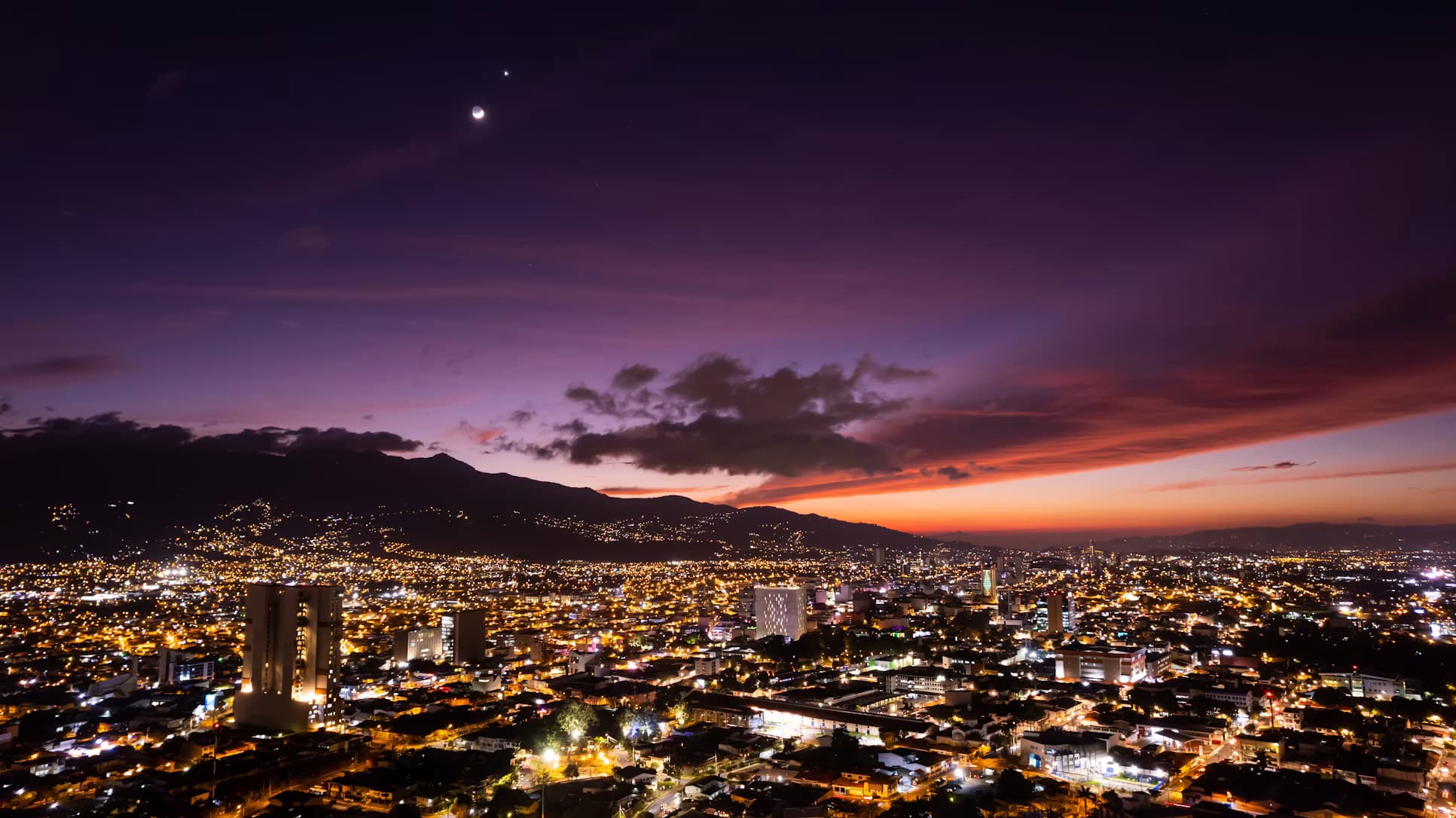
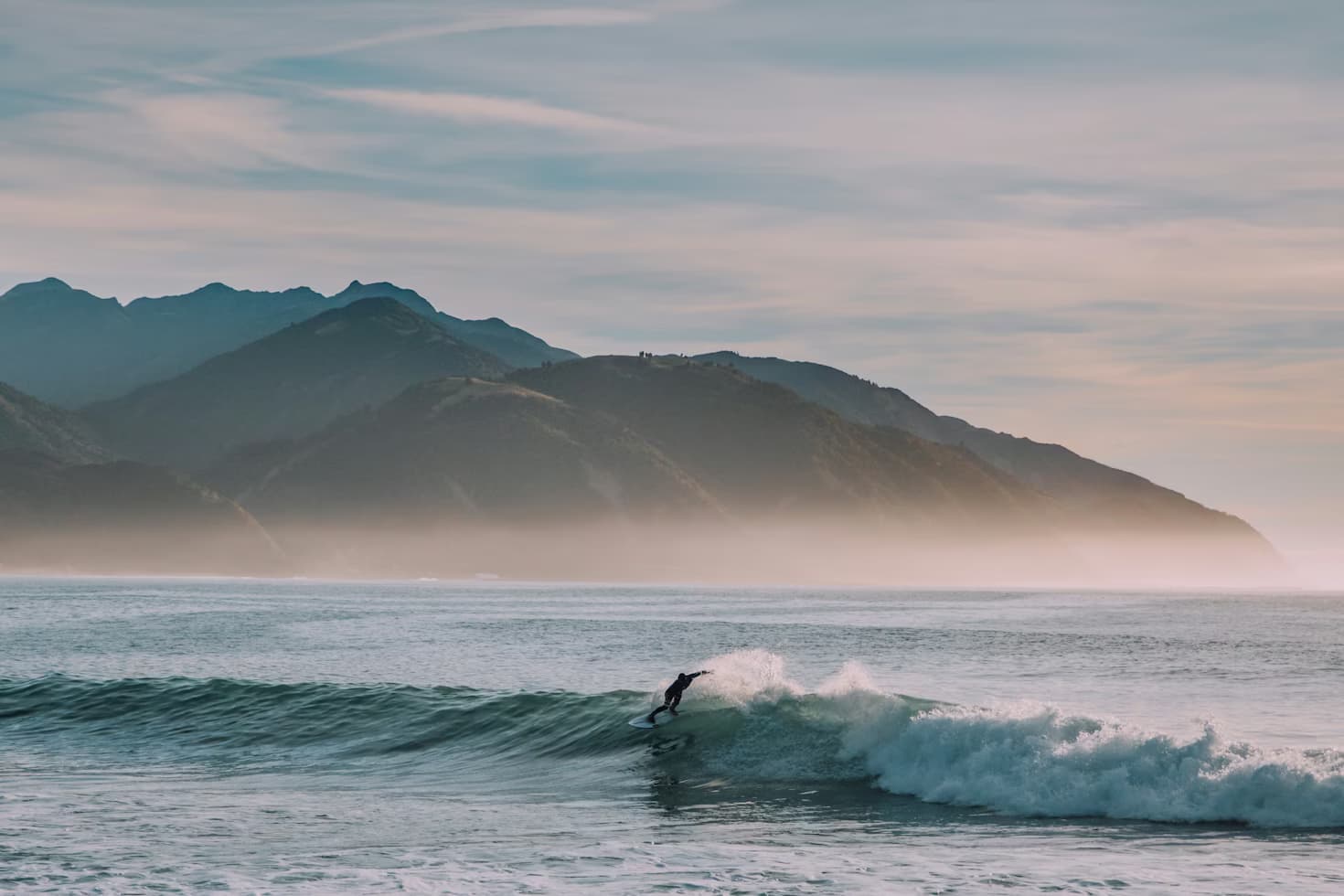
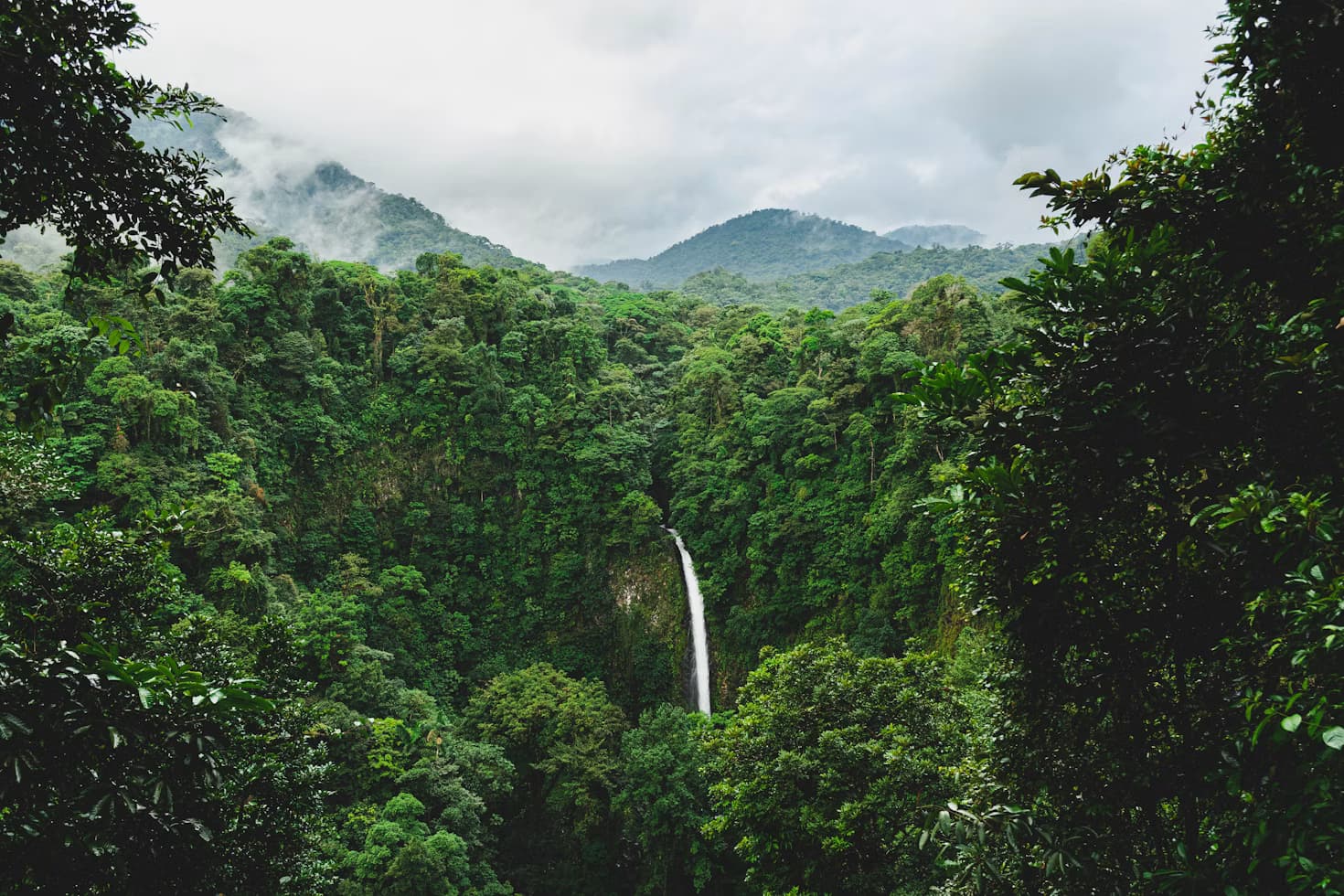
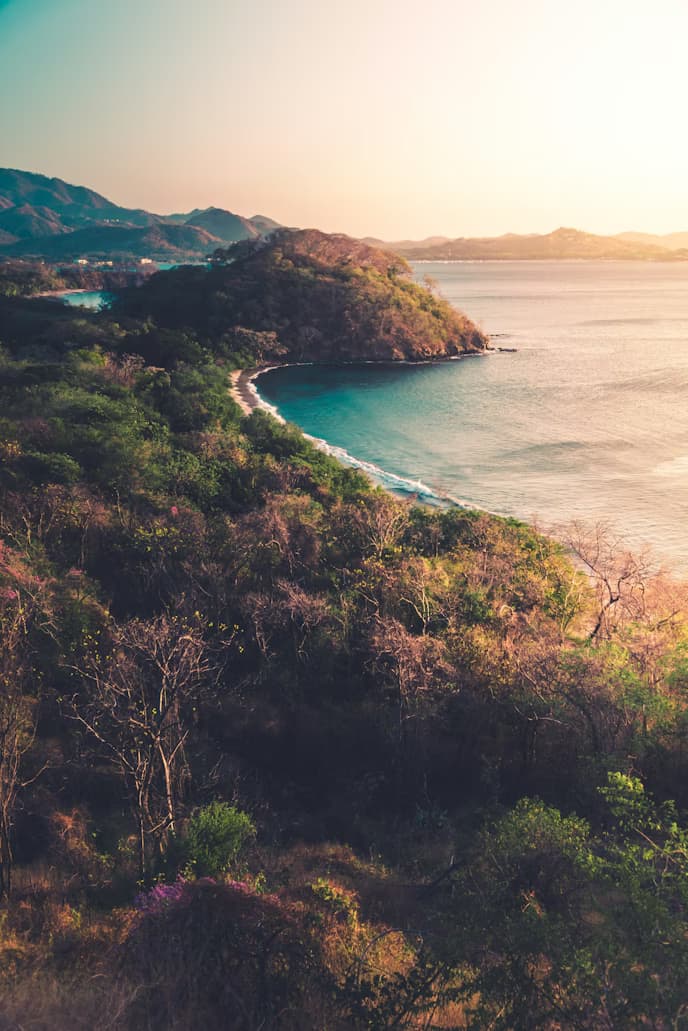
A taste of Costa Rica

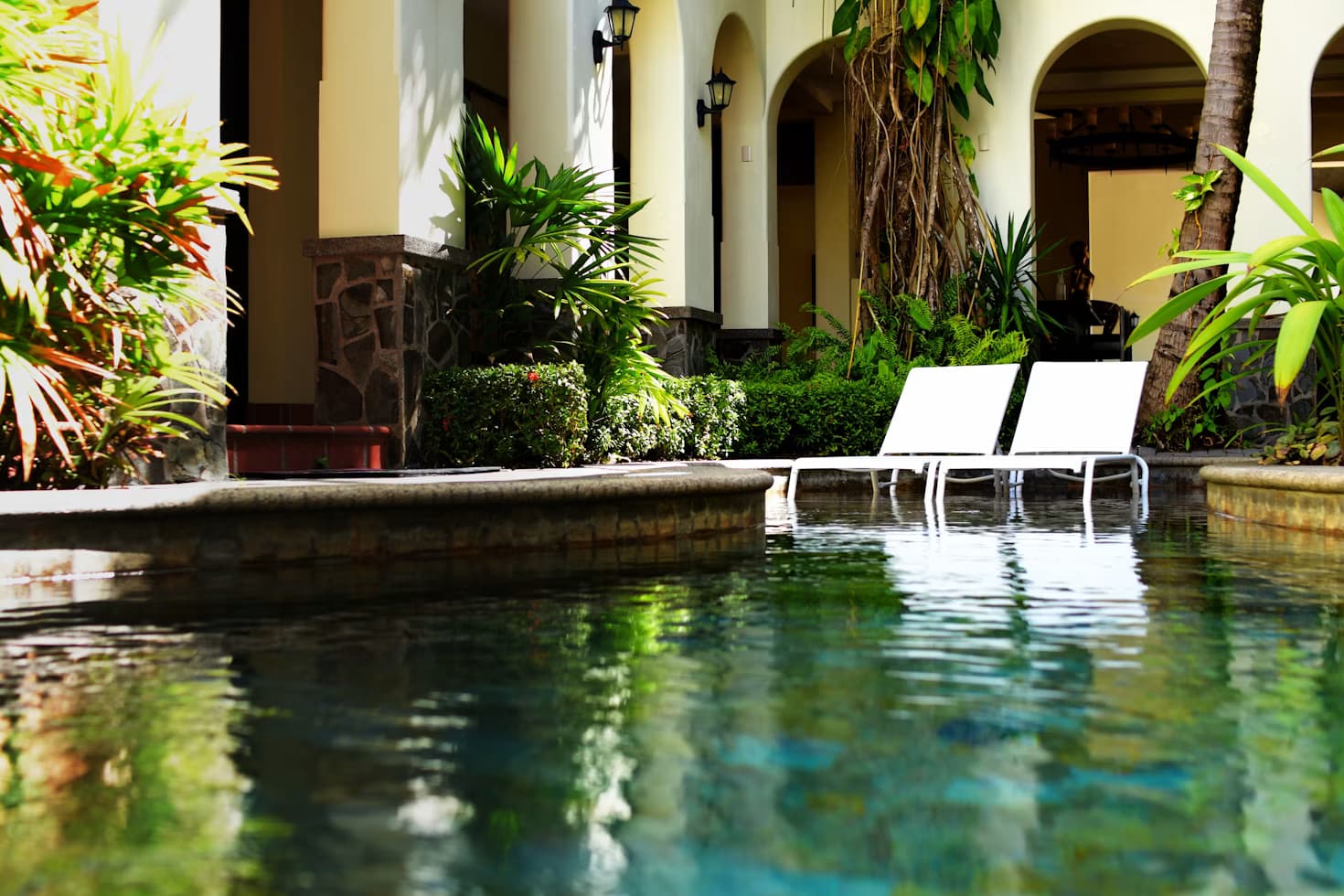
Costa Rica editorial photograph 1
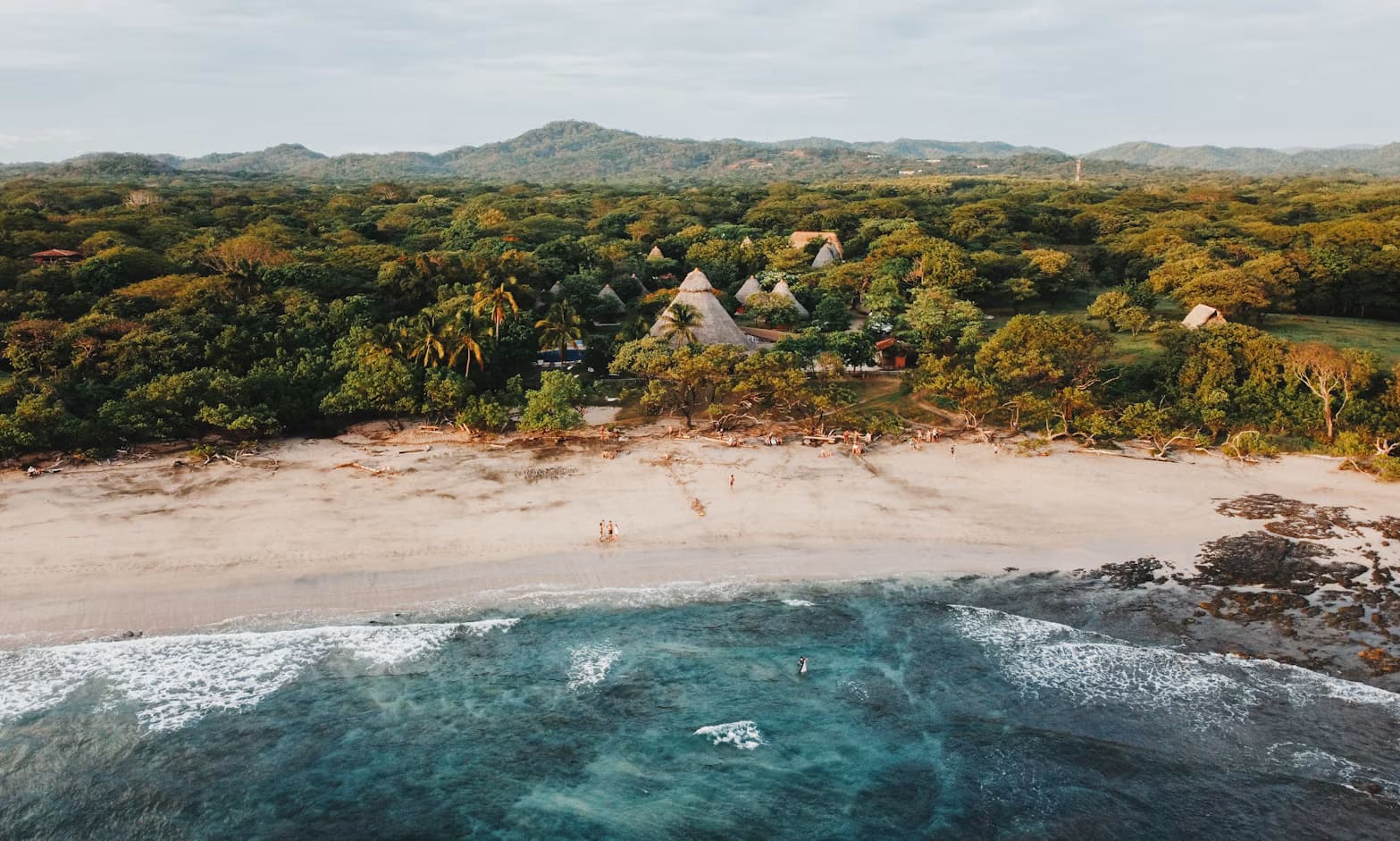
Costa Rica editorial photograph 2
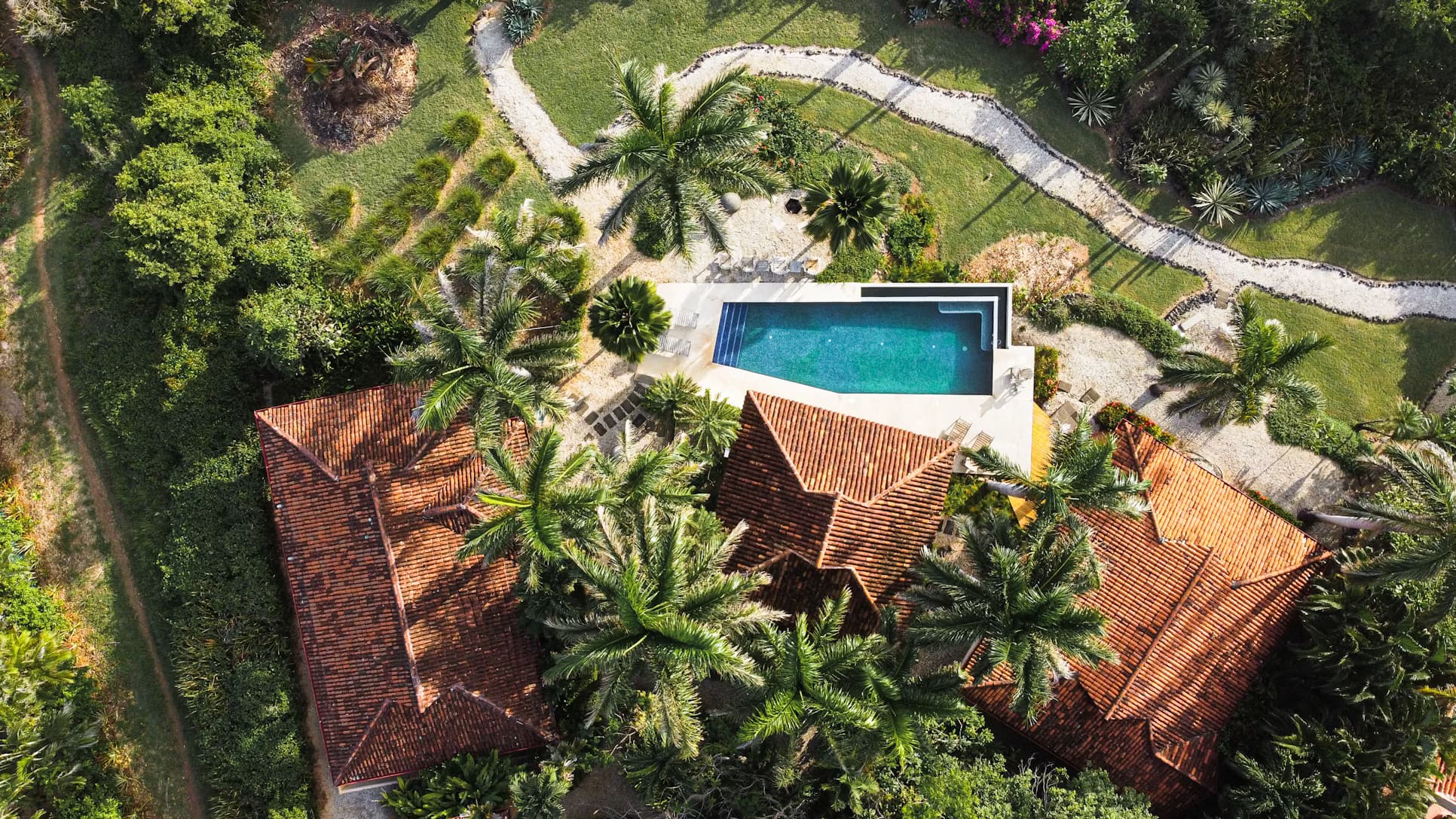
Costa Rica editorial photograph 3
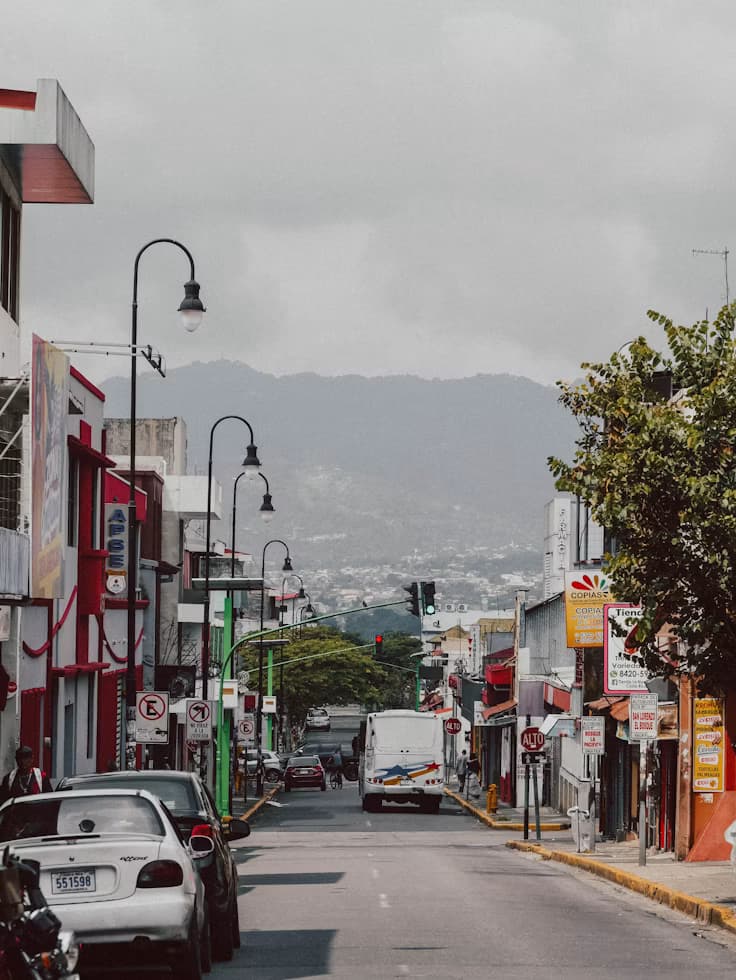
Costa Rica editorial photograph 5Costa Rica editorial photograph 6Costa Rica editorial photograph 7Costa Rica editorial photograph 8

How long until I can hold a Costa Rican passport?

Seven years of legal residency for most Americans. Five years for citizens of Spanish-speaking countries and Spain. The clock runs from the date your initial residency is approved and continues through the conversion to permanent residency at year three. A basic Spanish-language test and a Costa Rican civics exam are part of the naturalization application.

Do I have to learn Spanish?

Daily life in Escazú, Santa Ana, Tamarindo, and Nosara runs comfortably in English at most service providers, hospitals, and restaurants. Outside those expat hubs, Spanish becomes essential. The naturalization application at year seven requires a Spanish-language assessment, which most clients build through immersion plus formal tutoring.

What happens to my US taxes once I move?

The United States taxes citizens on worldwide income regardless of residency. Costa Rica operates a territorial tax system: only Costa Rica-source income is taxable to Costa Rican residents. Foreign-source income, including most US-source earnings, is generally not taxed by Costa Rica. The interaction with US tax obligations is technical; we coordinate with US-licensed counsel.

Can my family come with me?

Yes. Spouses or registered partners, dependent children, and dependent parents qualify under a single application. Each family member receives proportionate residency rights and the same seven-year clock to citizenship eligibility. The Pensionado income threshold scales modestly for additional dependents.

Is it safe to live in Costa Rica?

Costa Rica is statistically among the safer Latin American countries, and the established expat areas (Escazú, Santa Ana, Atenas, Tamarindo, Nosara) are statistically safer than many US small cities. Petty theft requires the usual urban-tourist discipline. We brief on geography during onboarding.

Will I have to give up my US citizenship?

No. The United States and Costa Rica both permit dual citizenship. You can hold both passports indefinitely.

How life compares

Eight factors, against the US baseline

The dimensions that decide whether a place is workable once the visa lands.

English

Strong in expat zones

Escazú, Santa Ana, Tamarindo, and Nosara run in English at hospitals, schools, restaurants, and most service providers. Outside those zones, Spanish becomes essential.

Cost of living

Moderately lower than US

Costa Rica is meaningfully cheaper than coastal US benchmarks but not Latin-America cheap. Imported goods carry duties; tourist zones run closer to US prices. A comfortable life for a couple costs $3,000 to $4,500 a month.

Taxes

Territorial system

Costa Rica taxes only Costa Rica-source income. Foreign-source earnings are generally not taxed by Costa Rica. US worldwide-tax filing continues regardless. The DNV visa adds an explicit foreign-source tax exemption during the visa term.

Quality of life

Consistently high on global indices

Costa Rica ranks at the top of multiple global happiness indices. The lifestyle delivers what the brand promises: outdoor-oriented, low-stress, family-centric.

Safety

Among Latin America's safer

Major expat zones are statistically safer than many US small cities. Petty theft in tourist areas requires the usual discipline. Overall violent-crime rates are low by regional standards.

Travel connectivity

Strong to the US

San José and Liberia airports each host daily direct service to roughly twenty US cities. Three hours from Miami, six from New York. Limited direct service to Europe.

Infrastructure

Functional, occasionally rustic

Major-city utilities and internet are reliable in expat zones. Roads can be rough outside the Central Valley. Power and water are generally stable but plan for occasional outages in rural areas.

Healthcare

Public plus strong private

Universal public coverage available to legal residents; most expats add comprehensive private insurance for faster access. Private healthcare quality in San José is high; medical tourists routinely fly in from the US.

The Costa Rica briefing

The facts, programs, and comparison

A four-page PDF covering everything on this page plus the comparison framework we use internally. Delivered to your inbox, and the next briefing every week.

No spam ever! Unsubscribe in one click.

Get your custom Plan B Blueprint

Most people spend 100+ hours researching residency and citizenship options before they realize they were looking at the wrong programs. We compress that into 10 questions, 90 seconds, and a single report.